I Could Write A Book On What I Don’t Know About Woody Boats
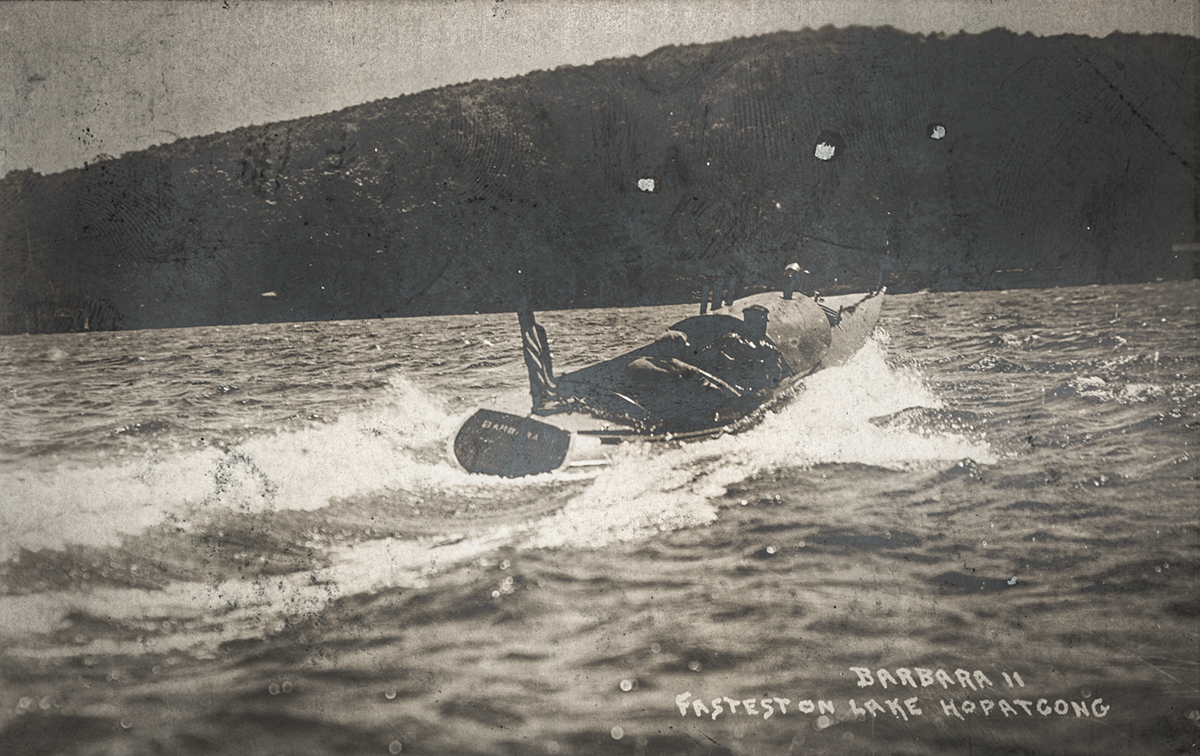
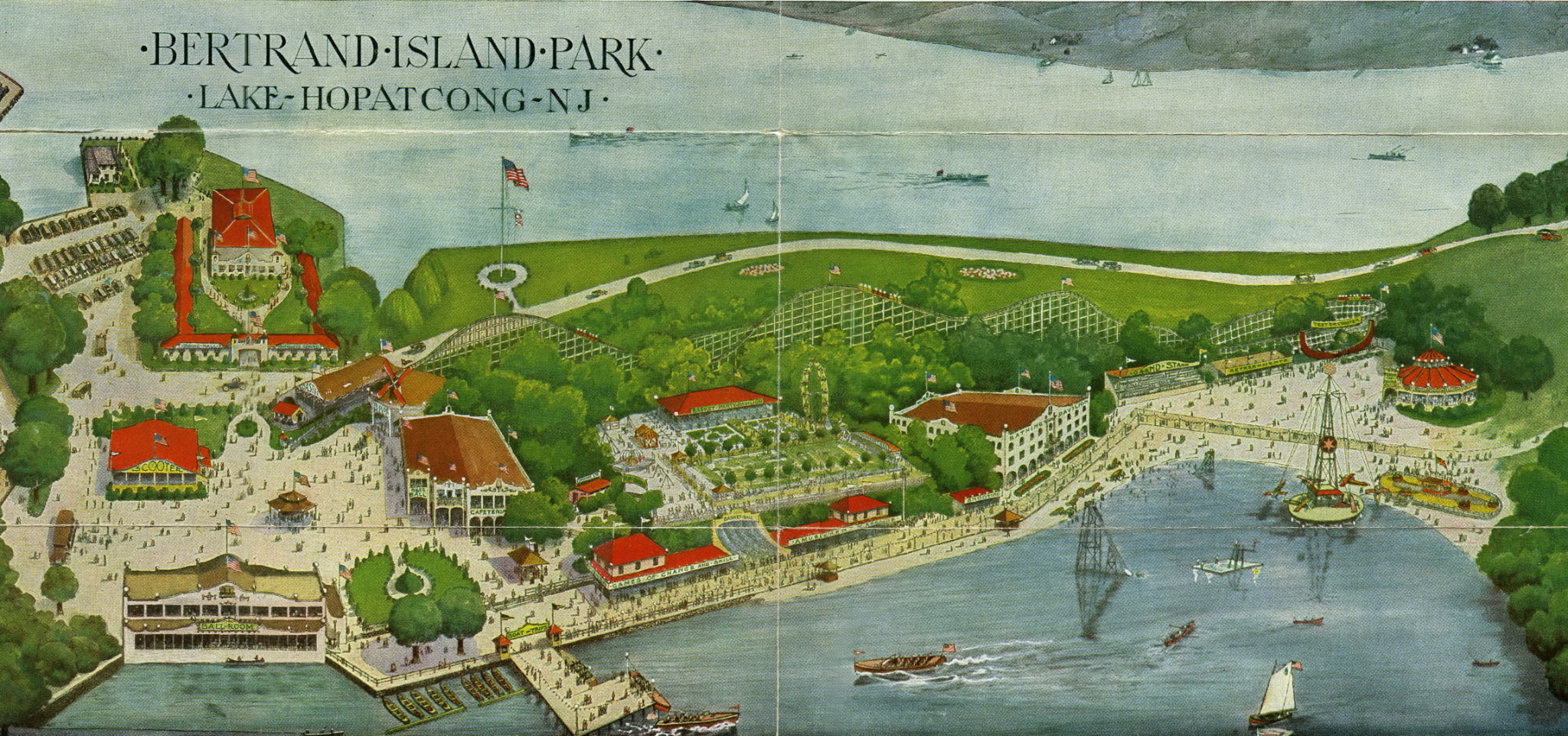
Photos from the Lake Hopatcong via Bob Kays
Yesterday story introduced me to the world of pre mass produced Woody Boats. And yes, I am calling them Woody Boats, which to me is a kinda class distinction. Pre war? Yes, Pre World War ONE, not two. And of course not just old boats, but the speed boat kind. Like I said, or wrote, there is a sliver of a difference for me. A Romantic difference I suppose. For example, a sail boat of the era to me is NOT a Woody Boat. It’s a Wooden Boat. Anyway. Getting into the weeds I suppose, because a Feather Craft is a Woody Boat to me? .. Oh focus Matt, ugh.
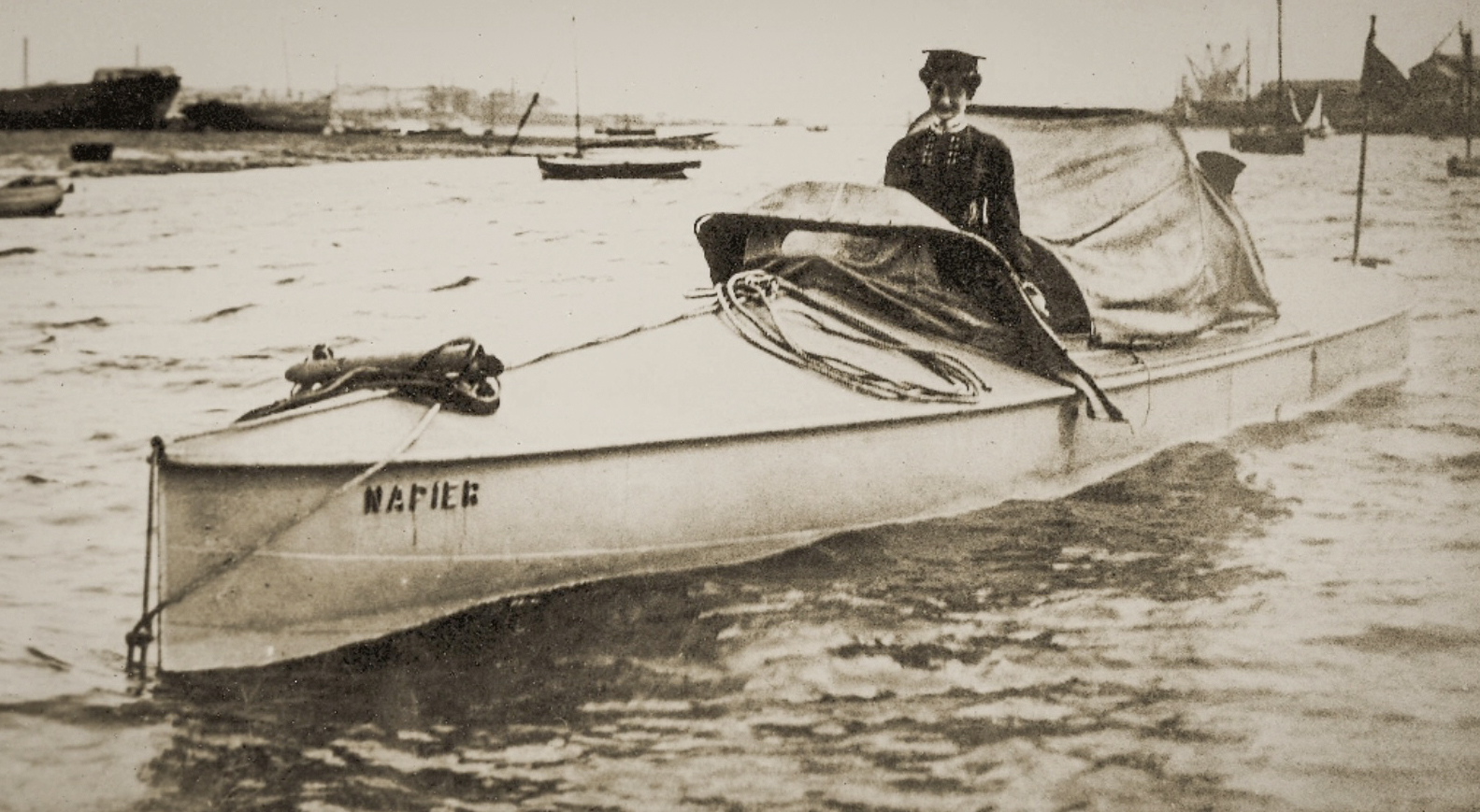
1903 – Napier and Company of England and driven by Dorothy Levitt. The hull was steel and the four-cylinder Napier engine developed 66 horsepower — providing a top speed of 21 mph, thus setting the world’s first speed record.
Anyway yesterdays story on Bertrand Park brought out the history…for me… of the very early speed boats. Barbara II with her massive 40 Hp engine. Her hull design and yes, even the fact she had an engine. Yes, this had been done before her. In fact back as far as the 1700’s with a steam engine, 1860’s in Germany, and in England in the 1880’s And then the first races in 1903 with Napier
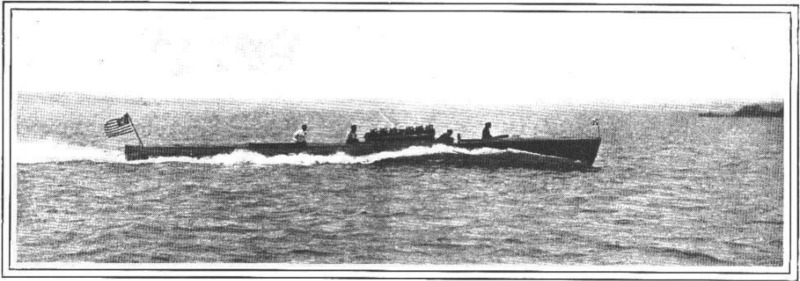 And in 1904 Standard – the 60-ft Winner of the First Gold Cup in 1904 / Photo- Thousand Islands Life Magazine
Now, to paraphrase because I am gonna butcher this up worse than AI could. John Hacker took the company Detroit launch and Power Company and turned it into Hacker Boat Co.
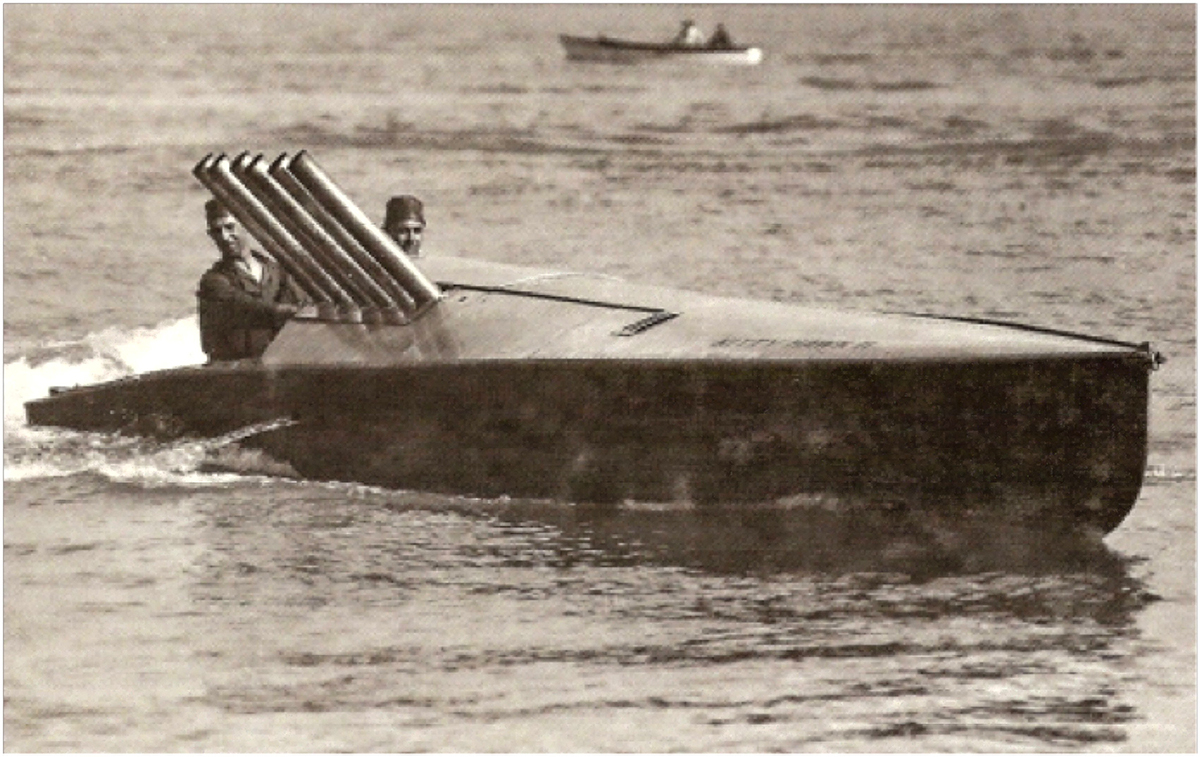
John Hacker and Kitty Hawk II speeds up to 50MPH
This is way back in the very early pre WWI days. Now some of this I knew, but never had really connected the dots, or to be honest, cared enough to understand. AND THAT IS THE POINT OF TODAYS STORY. Or maybe more than one story. Not a book, just little stories like this. Tapas of Words, instead of a feast I suppose.
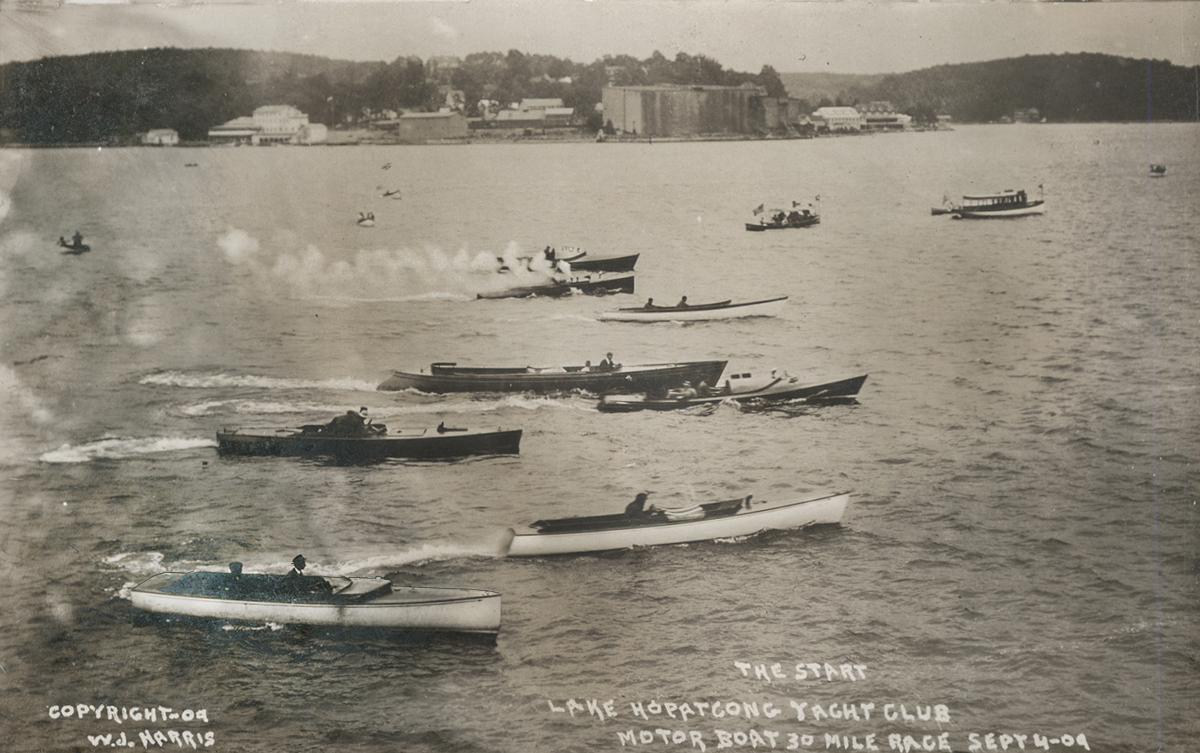
By 1909 and I suppose far earlier on Lake Hopatcong, Races on the lake. BTW, this is why I harp so much about Lake Hopatcong in NJ. Small lake with wealthy NYC money. A cocktail for fun and inovation.
This passion of Woody Boats on the surface seems like it’s just the love of an old boat, like car guys. Or even Pez Dispenser people. But the magic of Woody boats is its an endless universe of continual learning. You will never be the master of it. Sure you may understand the manufature of a certain screw for a 1946 whatever. But look around. Woody Boats are our moment in history. Not 1200 BC, or 2008? Its the past 100 years. Where we get to preserve the history, we are the ones rediscovering it after it wasnt history, but just a thing, like walking into a Toyota dealership and buying a car. Its a car and not history.
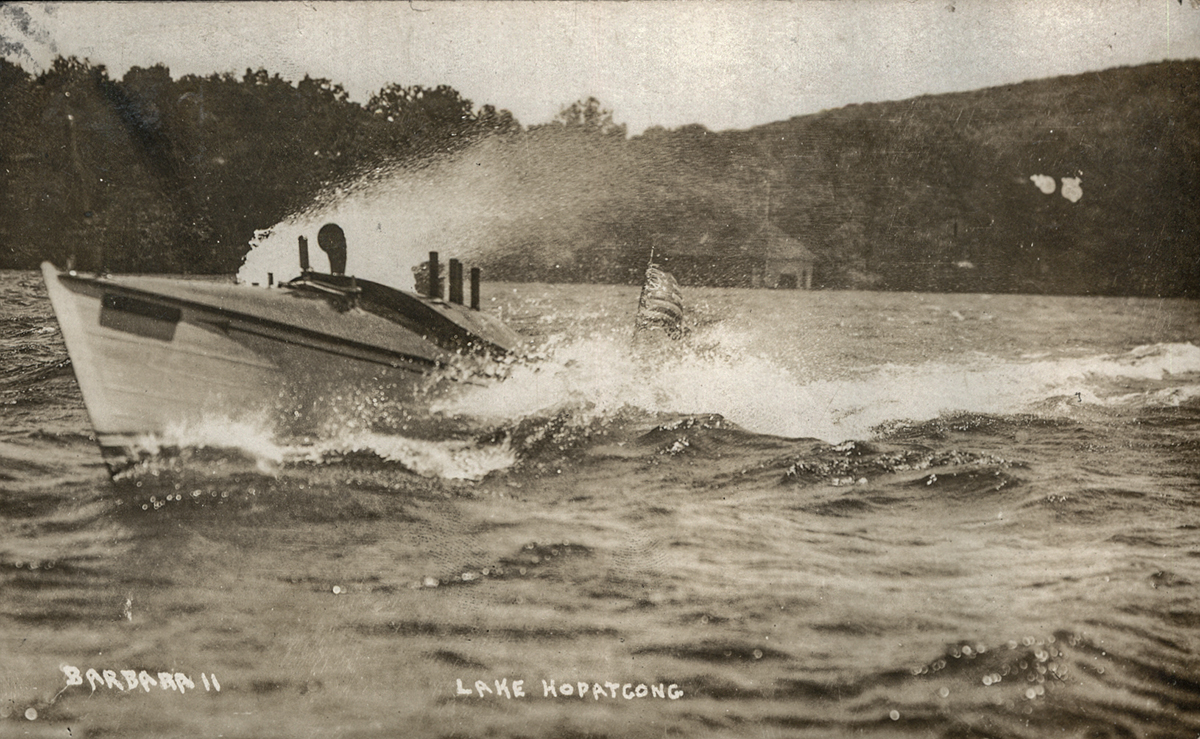
This is the original photo from yesterdays story that was a hand colored post card. Note the hull. It was painted? Not varnish? And there is a perfect example on why the original image is so important. And why even an image can’t be the truth all the time.
And here is the craziest part of it all. With AI, and the ability to unknowingly change that history. Thats the real fear. And to be fare, photographs also don’t tell all the truth. Lens distortion, film stock, everything is a personal distortion of reality. WOW, this story line just gets deeper and deeper. Sorry.
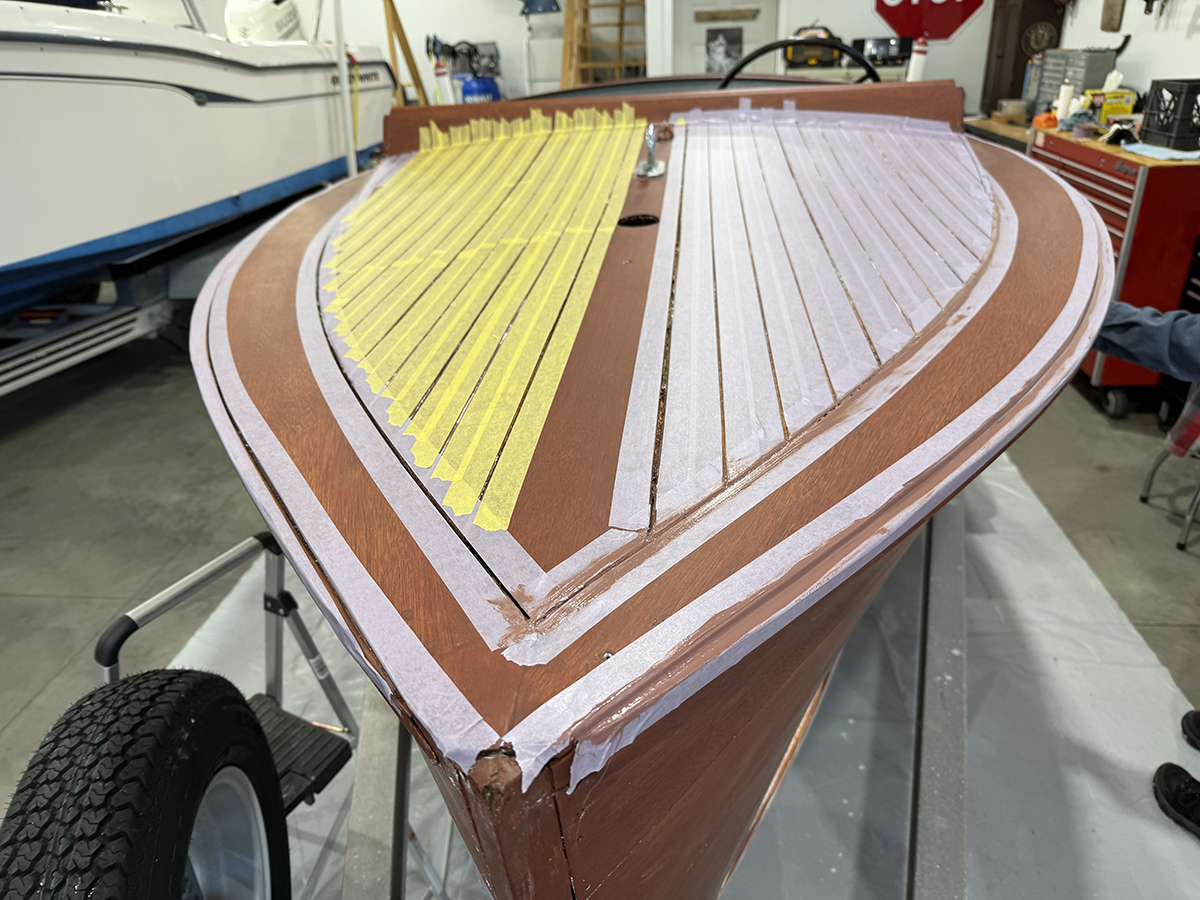
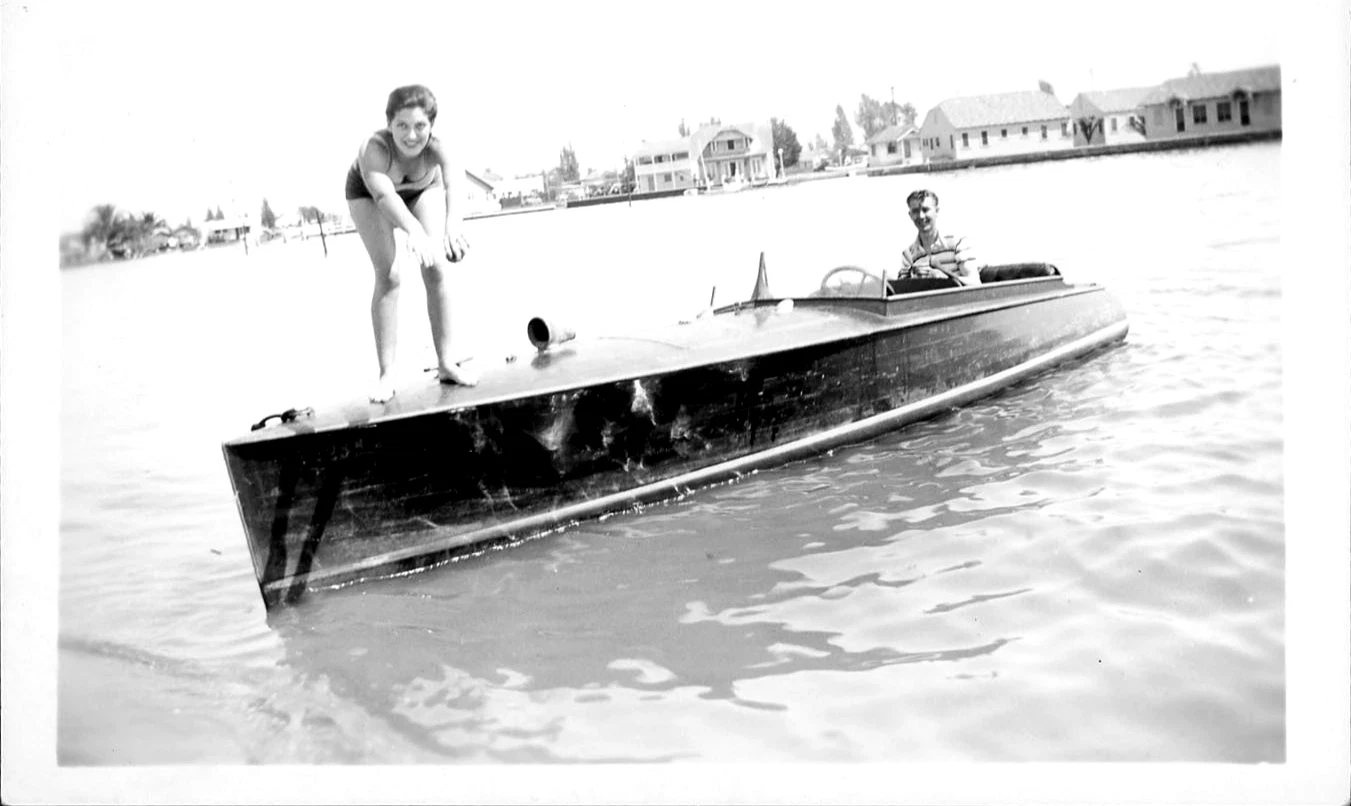
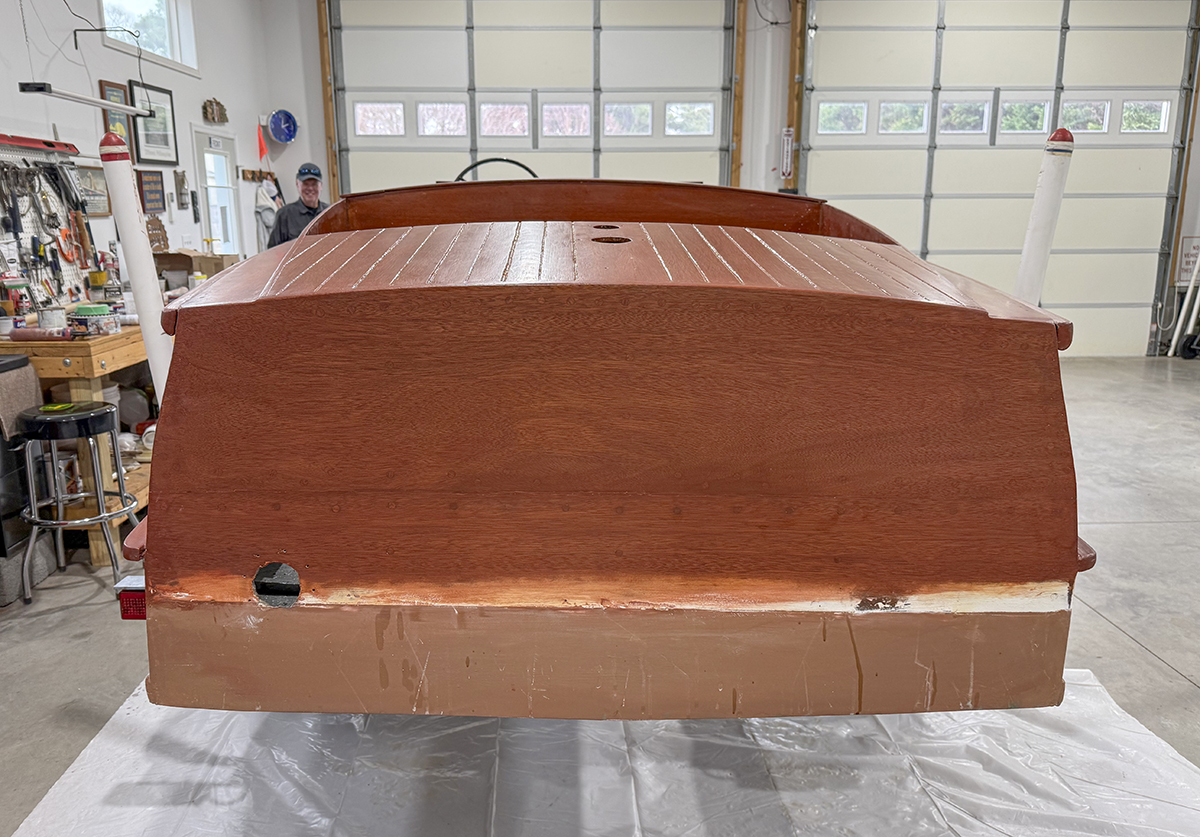
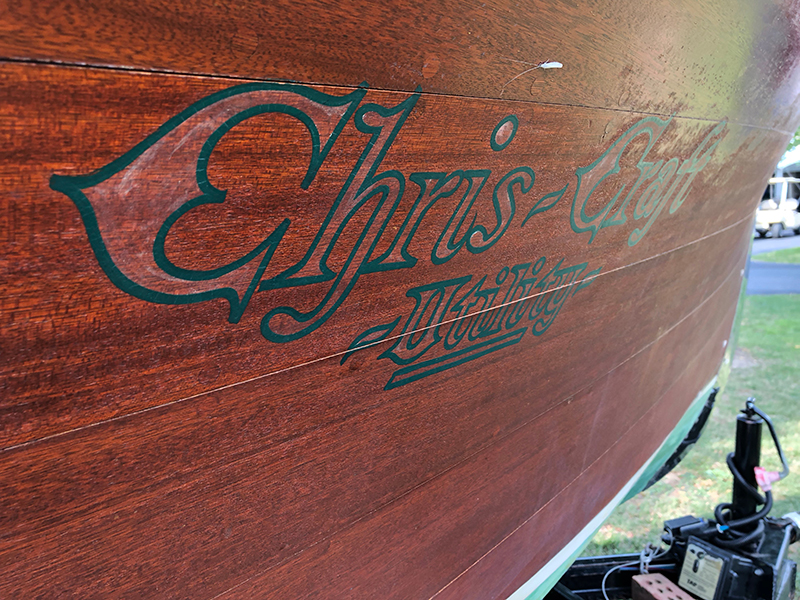


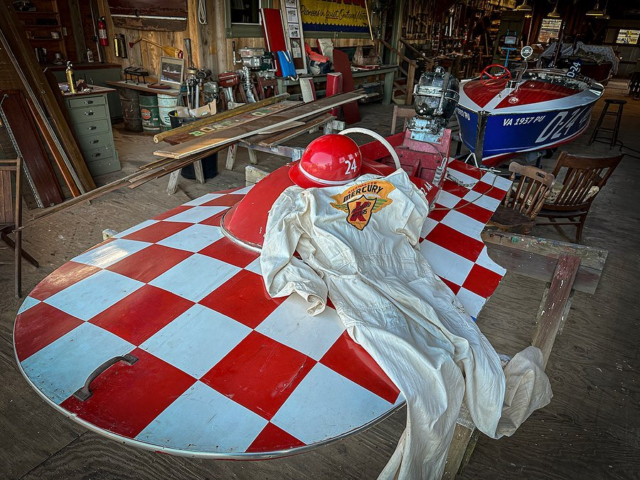
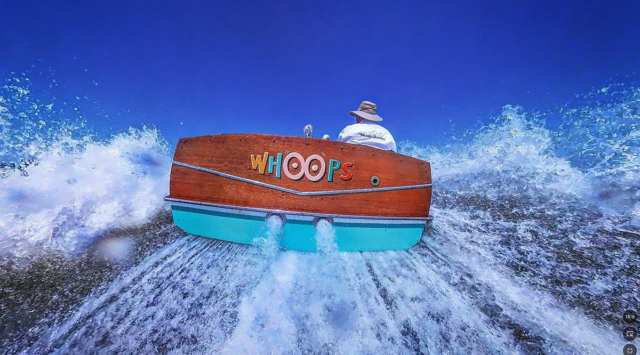
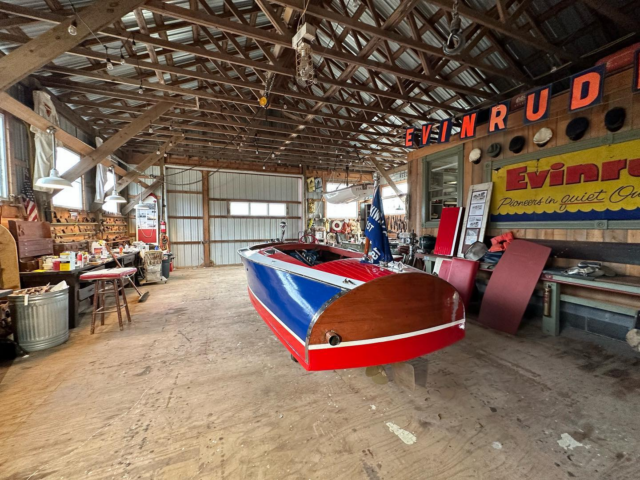
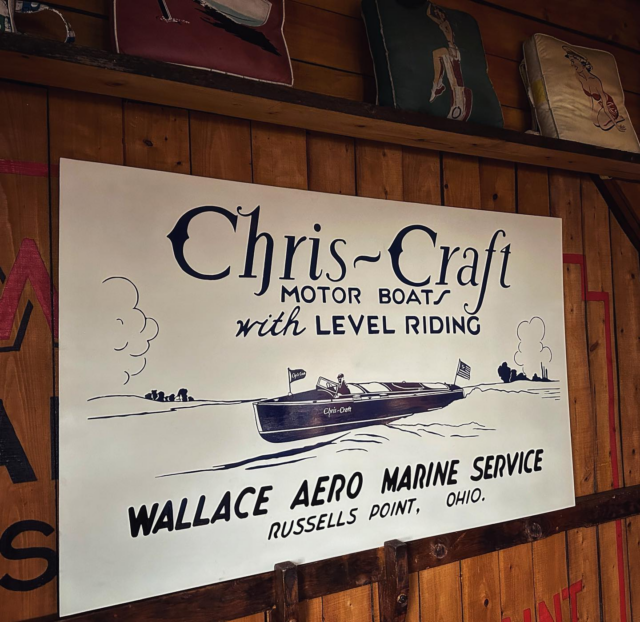

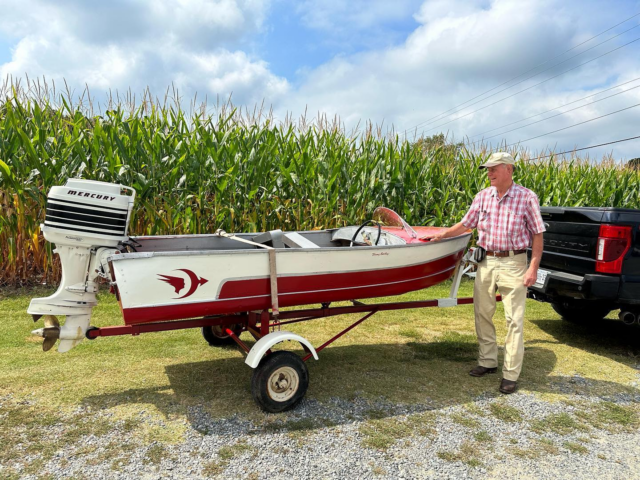
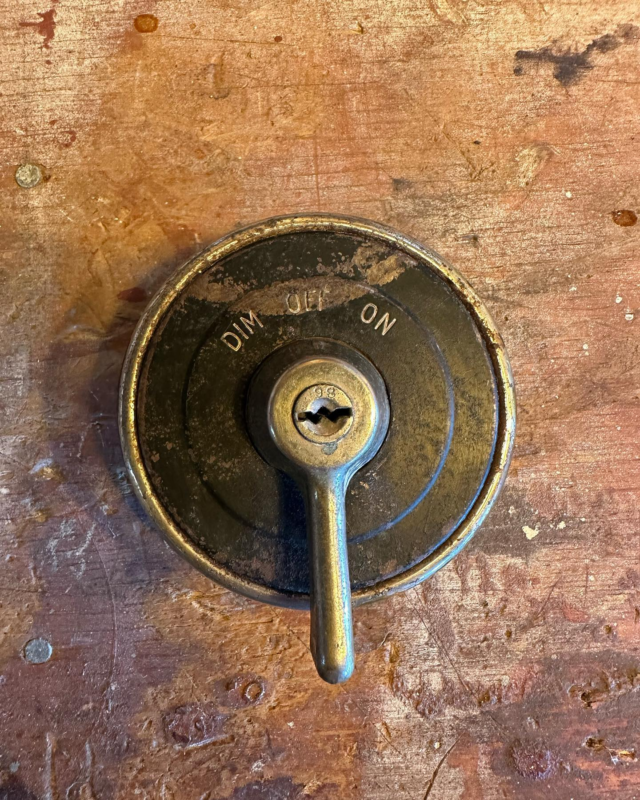
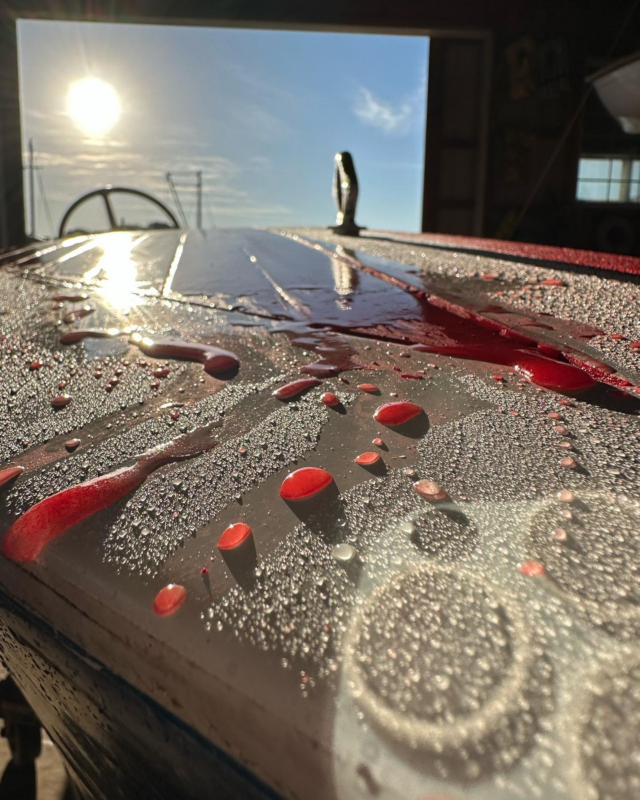
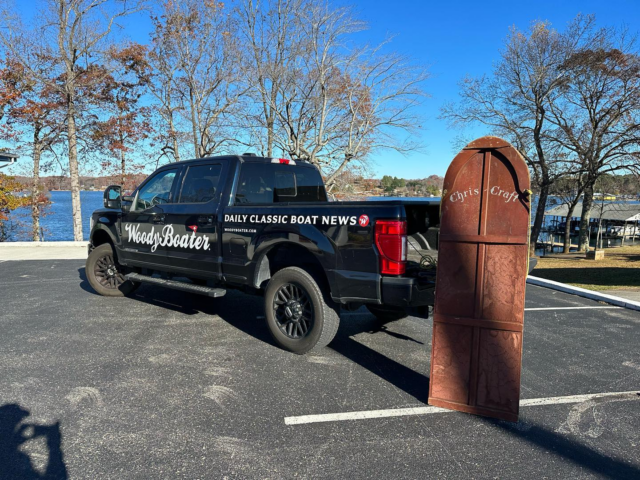
Love those early photos and the range of early, sort of all experimental, boats. John in Va
The genius and creativity of mankind prospered during the early industrial age. I believe it was very prominent among people that loved the water like Chris Smith, Horace Dodge, Gar Wood, John Hacker and others. They used their intelligence and built things with their hands that were amazing. They were also very competitive which led to their creations initiating boat racing and speed records. It was a great era of boating history!
One thing I have been thinking about is the reason most boats back 100+ years ago were built purely out of necessity. Not to do some race or to get to our cabin because down south was to hot in the summer and they had the money to do so. But true necessity. Here in the great lakes people had to eat (fish) and get to places to harvest their food be it deer or muskrats. They didn’t relay on calling up some boat builder 100+ years ago to have one built, they built them themselves not with some fancy mahogany but with whatever they had and with whatever tools they could make. I have seen old photos back in the lumber days here where I live and the beaches are scattered with small boats yet no boat building business was ever really know to exist here. They look all just a bit different and definitely built for a purpose like survival. I wonder how many places around the US or world had small boats built in this manner.
Now, add in companies like Anthropic, whose “Project Panama” purchased, scanned, and then shredded or destroyed physical rare books to train AI models. No going back to further examine the originals.
I had a wonderful woodyboat in the 1970’s. Century J5026. Found it sitting on concrete blocks forlorn but fixable. I and my friend Jeff recently back from flying Hueys in VN, went to work on it; good therapy for him. We loved that boat and had several years of fun reliable use. Sent it to a fellow in Cadillac Michigan who I discovered had done a hatchet job. I was physically sick about it. Couldn’t even look at it because of the butcher job. My wife and I sitting on the sea wall, missing it, wishing we had a boat. Friend calls. He had found a 1970 Chris Craft Ski boat. Woodyboat experience with out the drama of rot and screws. Our Son now has it and Marsha and I have a 77 Chris Craft Supersport we go burbling with. It’s handling similar to the old Century. I believe the Miklos family still own J5026 which they totally restored. I guess fun could be made of what many call Tupperware boats but I no longer have the will to preserve or money to pay to have a work of art on the water. I admire Mat’s restoration of the 1939 which not concours serves the purpose and the flaws tell a wonderful story.
I love the simplicity of the early designs. It’s amazing how much they accomplished with so little. In many ways, it’s like comparing a 1980 Honda Accord to today’s cars. Much of the added weight and complexity comes from all the creature comforts we’ve come to expect—power everything, electronics, and countless conveniences. Yet it’s nice to be reminded that things worked remarkably well 100 years ago without all those extras.
That’s part of what makes these early boats so fascinating. Their beauty was in their simplicity, and the ingenuity of the people who designed and built them. Sometimes I think we’ve confused progress with complexity. There’s something wonderful about preserving a time when form and function were so closely connected.
Well Done Matt, thank you! I clicked on “Home ” today, and do I see new stuff? Or did you just put this up? Troy gets an “atta boy” for his header collection!