From Yacht Club Queen To Fishing Dragger: A GarWood’s 97- Year Journey Back From The Dead
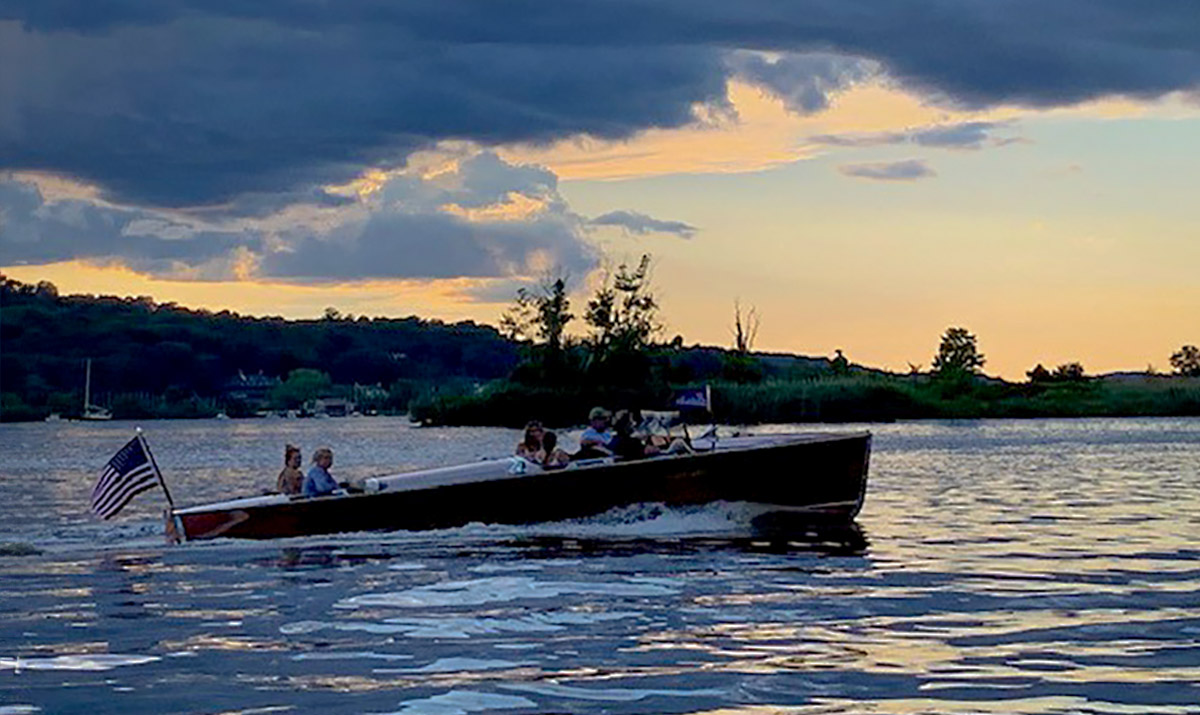 A huge thanks to Chris Enger (aka cenger)
and his 1929 Gar Wood 28’ on the Connecticut River for sending us in a real story with real pictures. It’s so refreshing to bask in the realism of it all again. Take it away Chris, today is all you!
Some wooden boats spend their lives tucked away in beautiful boathouses, lovingly maintained, polished every spring, and occasionally taken out for a Sunday cruise.
Others aren’t quite so lucky.
My 1929 Gar Wood 28-foot Triple Cockpit Runabout, hull #29381, falls squarely into the second category.
Over her 97 years, she’s gone from an Oshkosh Yacht Club queen to a burned-out fishing dragger, survived decades of indignity, and somehow found her way back to the beautiful mahogany runabout she was always meant to be.
And somewhere along the way, she spent time in the hands of a rather interesting Minnesota boat surveyor who apparently made a habit of collecting forgotten wooden treasures and hiding them away in barns.
But I’m getting ahead of myself.
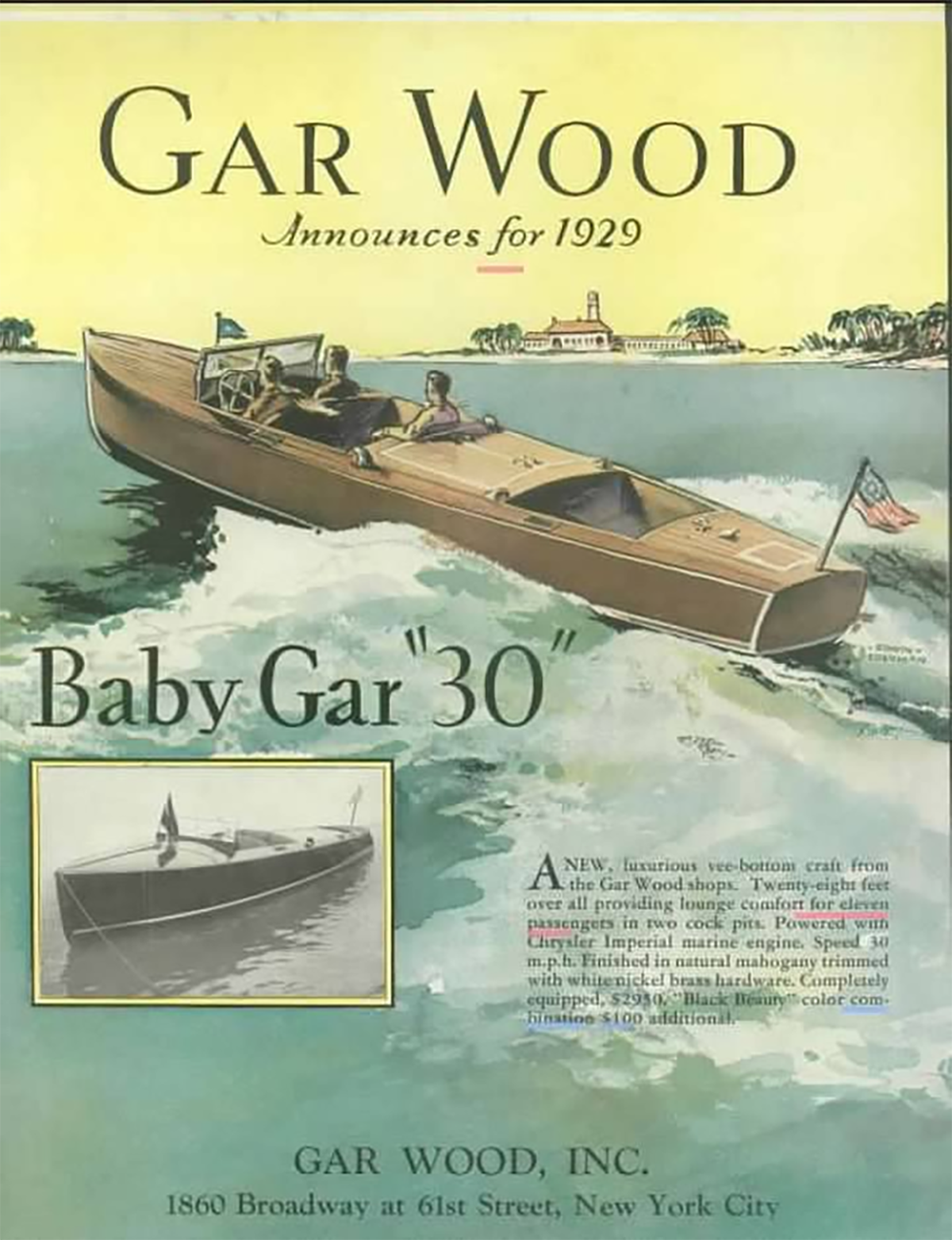
Imagine it’s 1929. The Roaring Twenties are still roaring, mahogany is king, and owning a 28-foot Gar Wood is about as good as it gets on the water.
This was the era when Gar Wood was building some of the finest pleasure boats in America. Long, elegant hulls, gleaming varnish, polished hardware, and powerful engines made these boats the ultimate expression of the good life.
My boat began her journey as a queen of the Oshkosh Yacht Club in Wisconsin.
Interestingly, she was originally delivered with a Chrysler engine, not the Scripps that would later become such an important part of her story.
Somewhere in her early years, the Chrysler was replaced with a Scripps. It probably seemed like a terrific idea at the time.
Until it wasn’t.
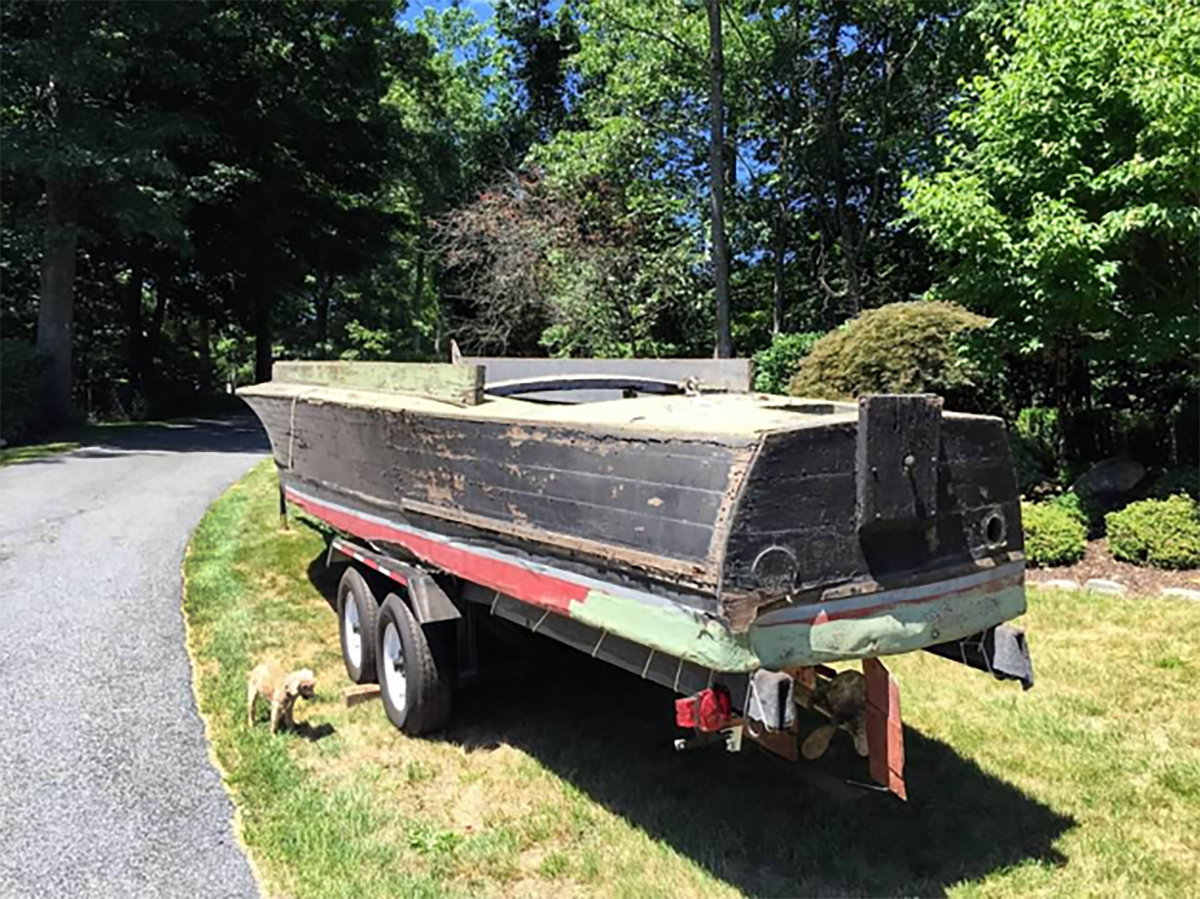
Mount for kicker motor, notice the original plugged exhaust on port side where the Chrysler would exhaust and the Scripps exhaust on the starboard side
Anyone familiar with early Scripps engines and their Holley carburetors knows they had a reputation for occasionally producing a little more excitement than the owner intended.
Unfortunately, that’s apparently exactly what happened to this Gar Wood.
According to the history passed along with the boat, a carburetor fire gutted the beautiful runabout.
For most wooden boats, that would have been the end of the story.
But someone apparently looked at the burned-out hull and thought, “You know, that would make a pretty good fishing boat.”
And so began perhaps the least glamorous chapter in her life.
The elegant triple-cockpit Gar Wood was stripped of her former glory, gutted and pressed into service as a fishing boat, complete with a kicker motor replacing the big inboard.
Think about that for a moment.
A 28-foot Gar Wood, once the pride of the Oshkosh Yacht Club, reduced to hauling fish around with an outboard hanging off the back.
Somewhere, Gar Wood himself must have been shaking his head.
But the important thing is that she survived.
While countless other wooden boats disappeared into burn piles and landfills, this one kept floating, even if her new occupation was a considerable step down in social standing.

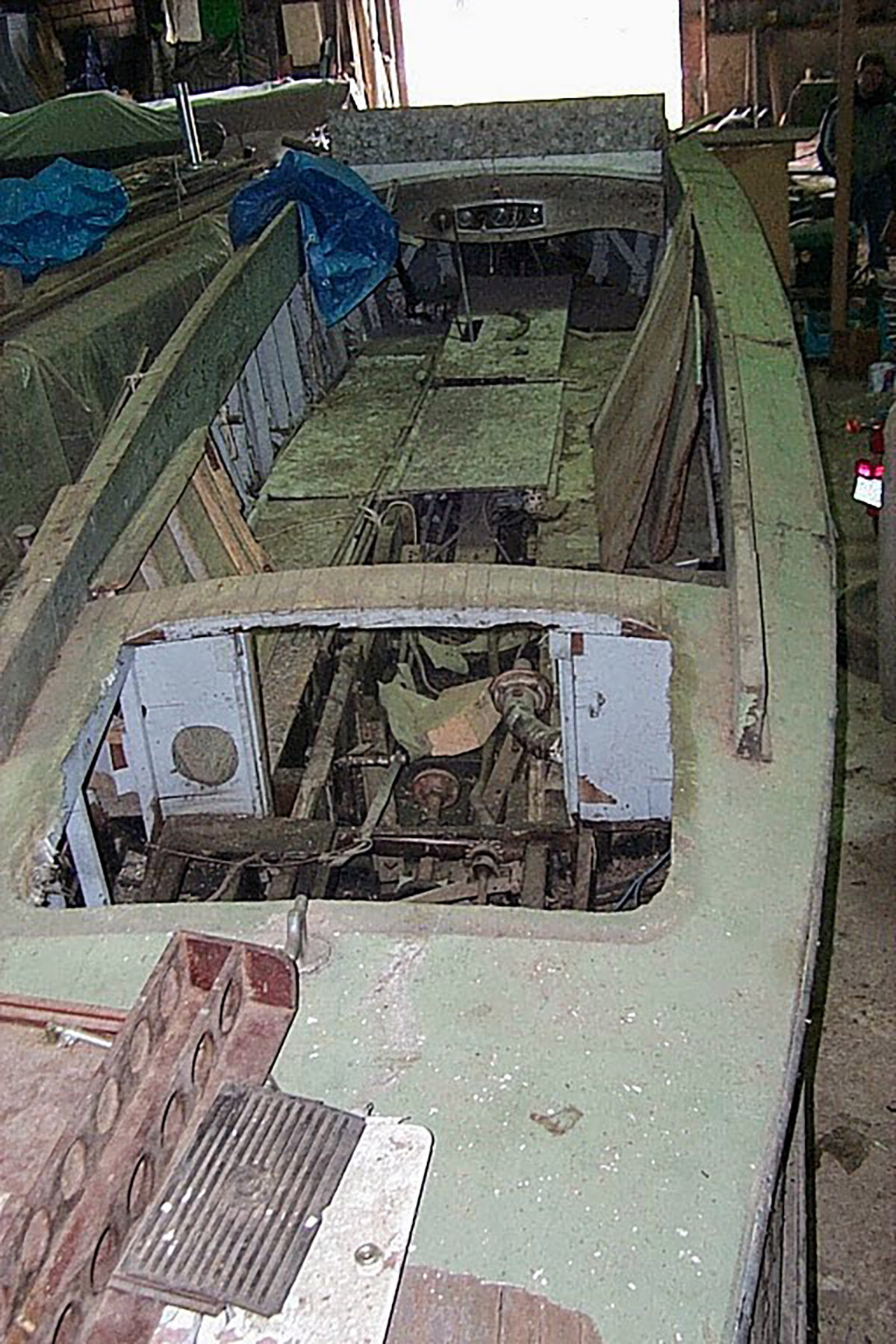 As found in a Minnesota barn — not exactly concours condition
Fast-forward several decades, and the boat found her way into the hands of an elderly boat surveyor in Minnesota.
Now, this gentleman deserves a Woody Boater story of his own.
Through his years traveling around Wisconsin and Minnesota surveying boats, he apparently developed a habit of acquiring unusual and historically significant wooden boats that caught his eye.
And he didn’t just collect one or two.
He had barns full of them.
Scattered across Wisconsin and Minnesota were collections of classic wooden boats, quietly tucked away, waiting for someone to rediscover them.
My Gar Wood was just one of his treasures.
And from what I understand, many of those boats are still out there.
Imagine what might be sitting behind those barn doors today. Rare Chris-Crafts, Gar Woods, and who knows what else, waiting patiently under decades of dust.
The stuff of every wooden boat enthusiast’s dreams.
Or their spouse’s nightmares.
When I first approached him about buying the Gar Wood, he wasn’t particularly interested in selling.
In fact, it took quite a bit of persistence to convince him to part with her.
He wasn’t interested in seeing one of his treasures purchased, cleaned up, and flipped for a quick profit.
Eventually, I was able to earn his trust with a promise: I would restore the boat for my own personal use, not for resale.
That promise ultimately opened the barn door.
And so began my part of the story.
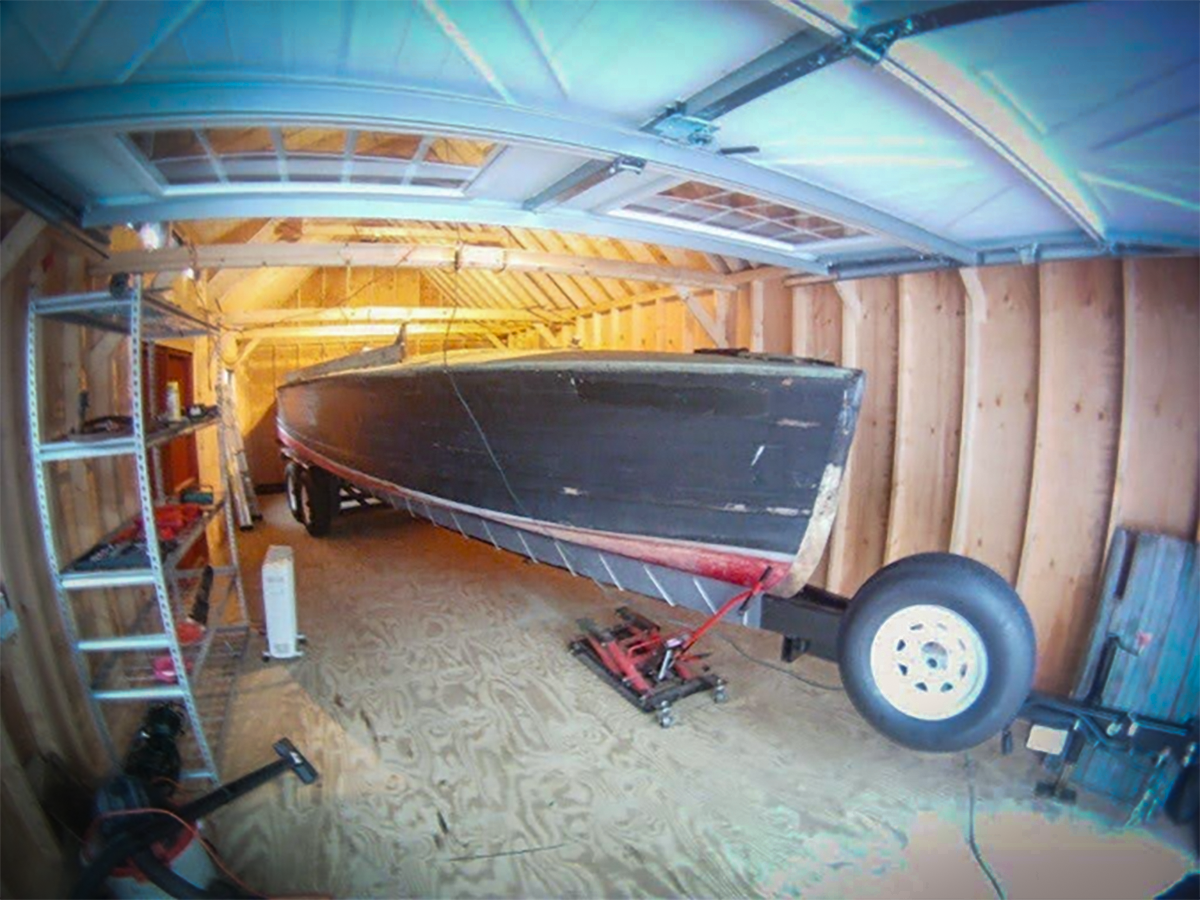
The trip from Minnesota to Connecticut behind a U-Haul included an unplanned detour through downtown Chicago with a 40’ box truck pulling a 34’ trailer.
By the time I acquired the Gar Wood, I wasn’t exactly new to wooden boats.
I’d already done restorations on several Chris-Crafts and a 16-foot Gar Wood, so naturally I figured I was ready to tackle a 28-foot triple-cockpit runabout.
After all, how much harder could another 12 feet be?
As it turns out, quite a bit.
My original intention was to restore the boat myself. I enjoyed the work, appreciated the craftsmanship, and liked the satisfaction of bringing these old machines back to life.
But as I got deeper into the project, reality began to set in.
This wasn’t simply another restoration. It was a major undertaking involving a large, historically significant boat that had survived a fire, a career as a fishing dragger, and decades of changes.
I eventually came to the realization that the boat deserved a level of expertise, craftsmanship, and attention to detail beyond what I could reasonably provide on my own.
That’s when I enlisted Mike from Farm River Woodworking.
And it turned out to be one of the best decisions I made.
Mike was a true artist.
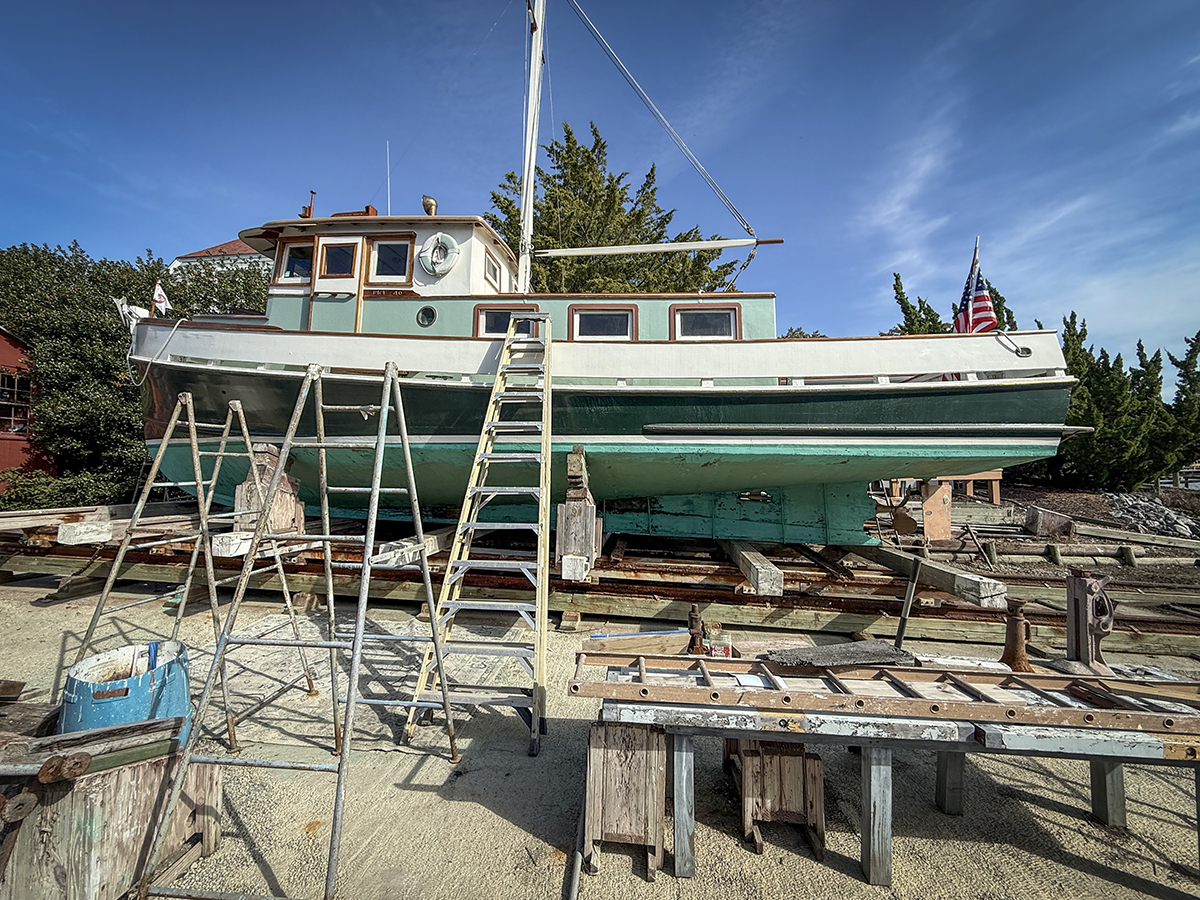
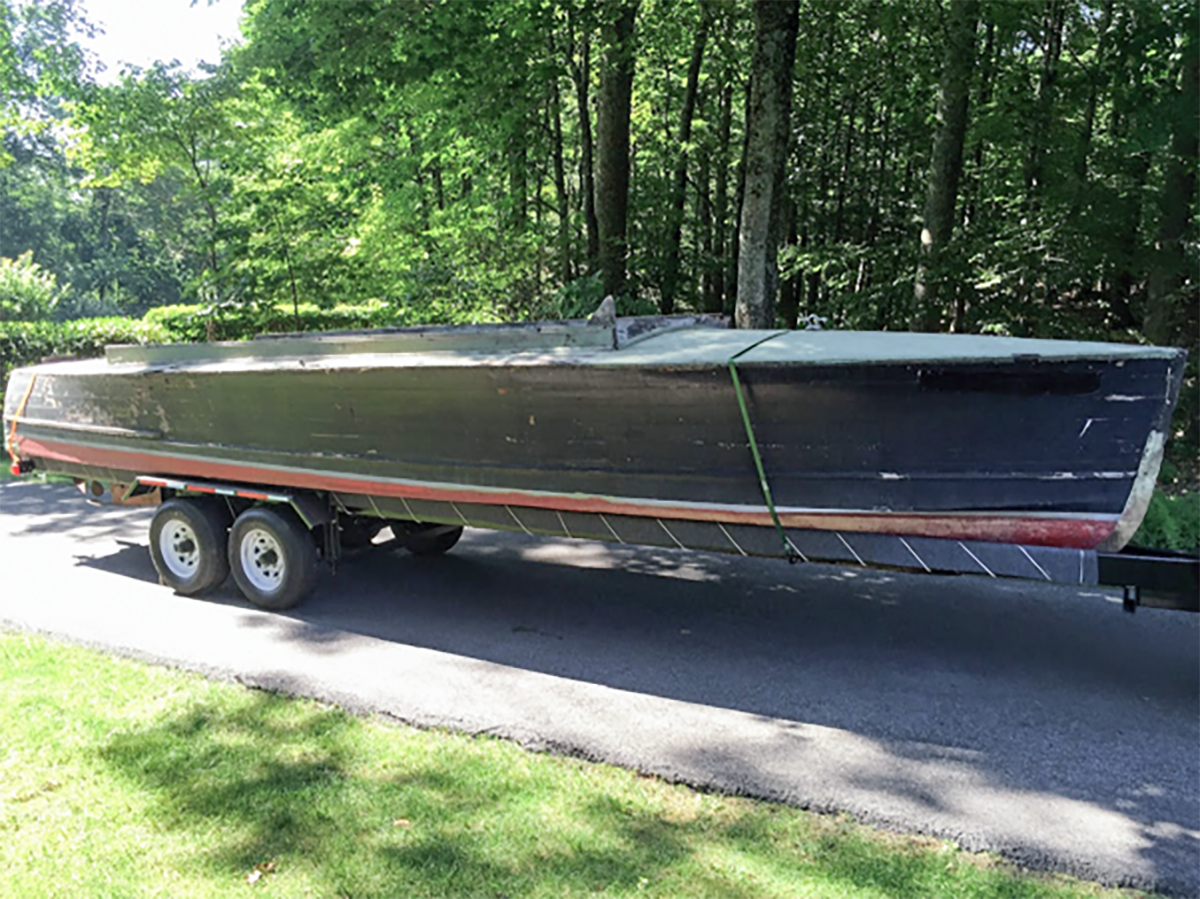 Off to Farm River Woodworking, where the real transformation began
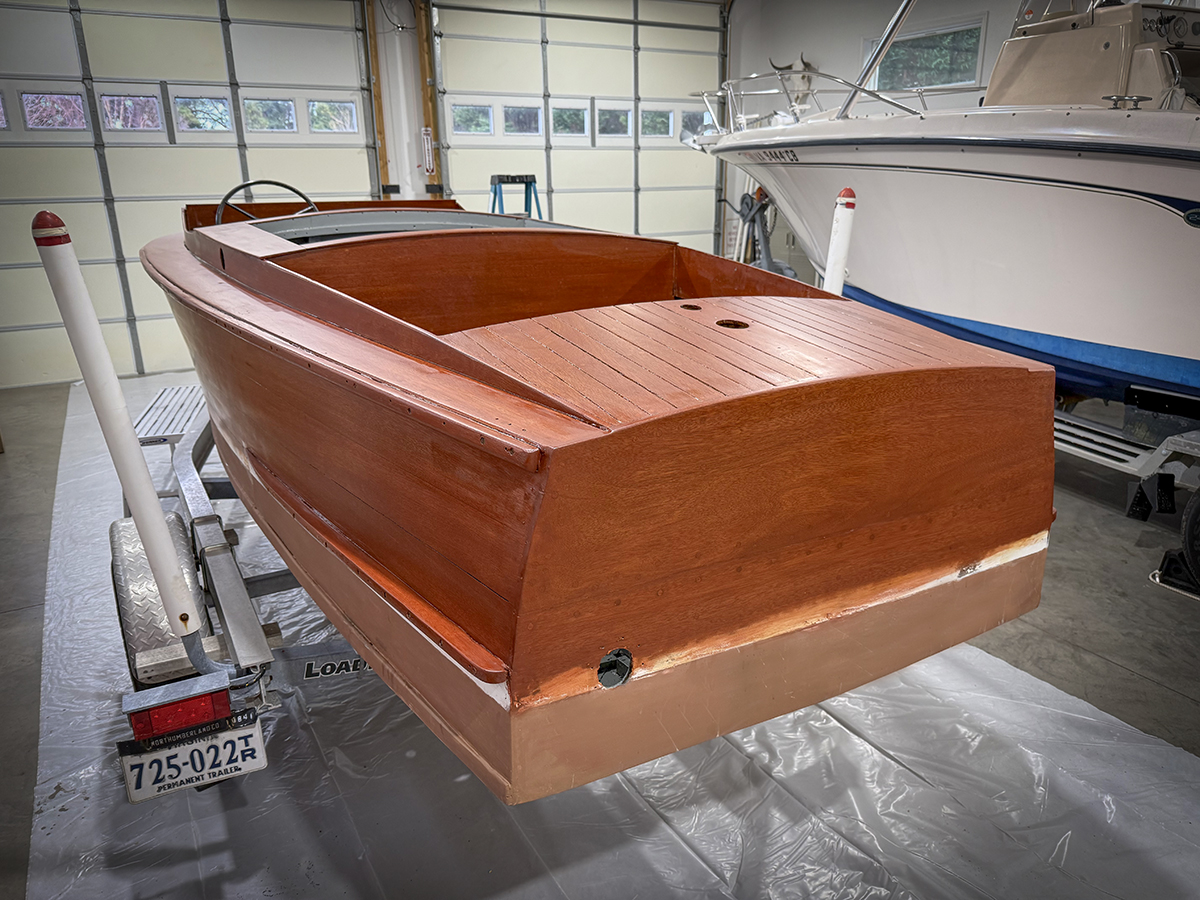
He approached the restoration with the care, patience, and attention to detail that a boat of this caliber deserved. His craftsmanship went well beyond simply making old wood look new again.
He understood what the boat was, what it had been through, and what it deserved to become.
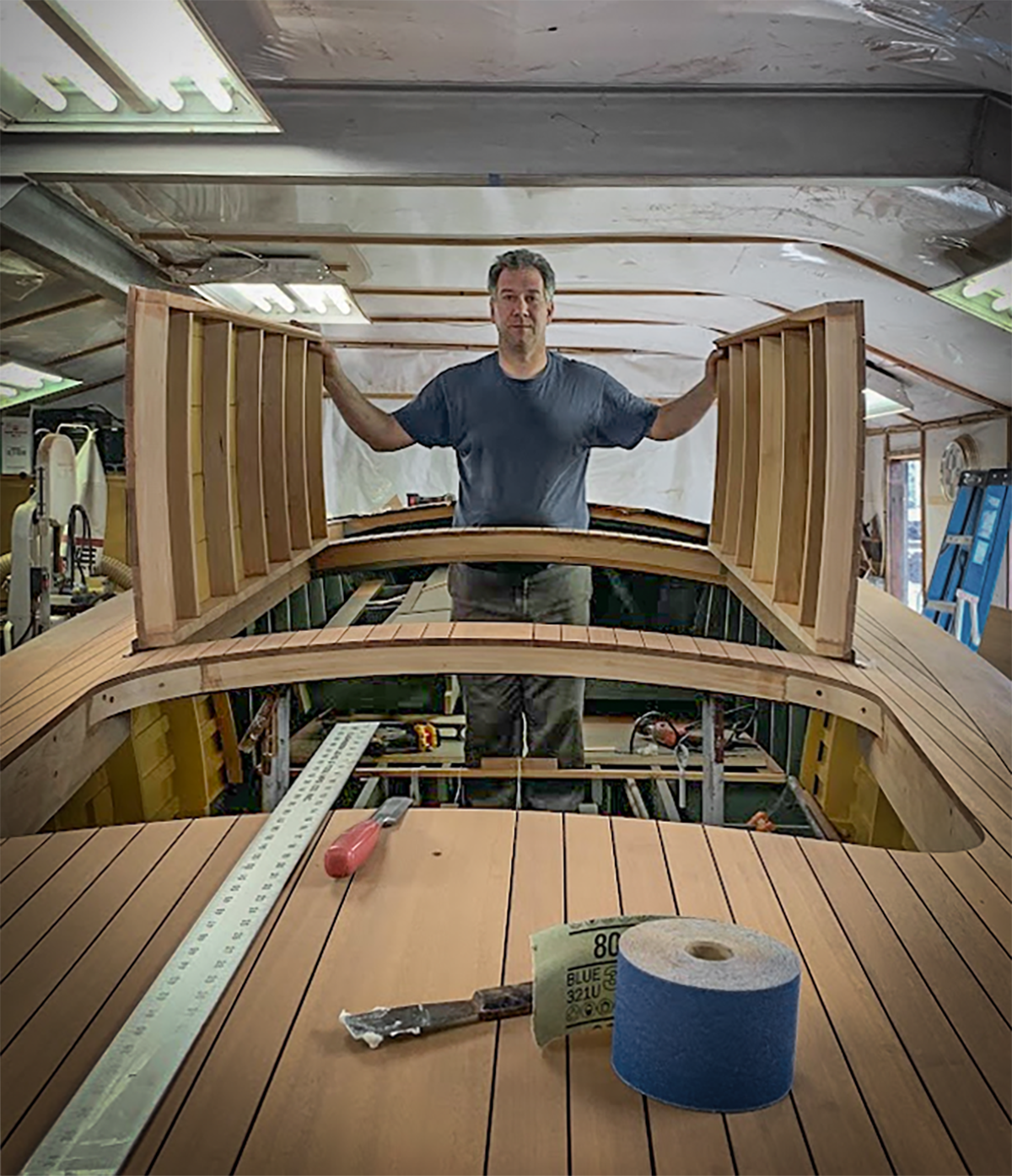 (Mike)
Watching that level of craftsmanship transform a battered old hull back into an elegant Gar Wood was one of the most rewarding parts of the entire experience.
Some boats are simply too special to compromise on the quality of their restoration.
This was one of them.
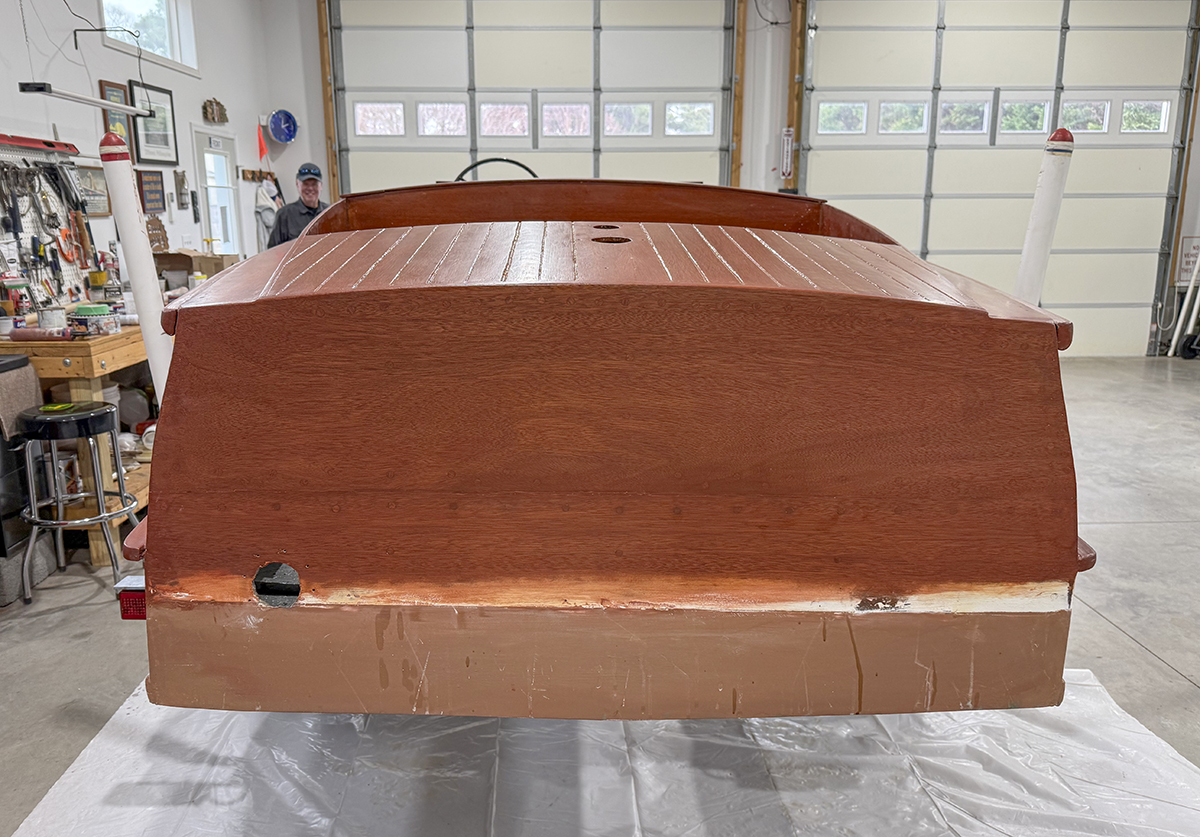
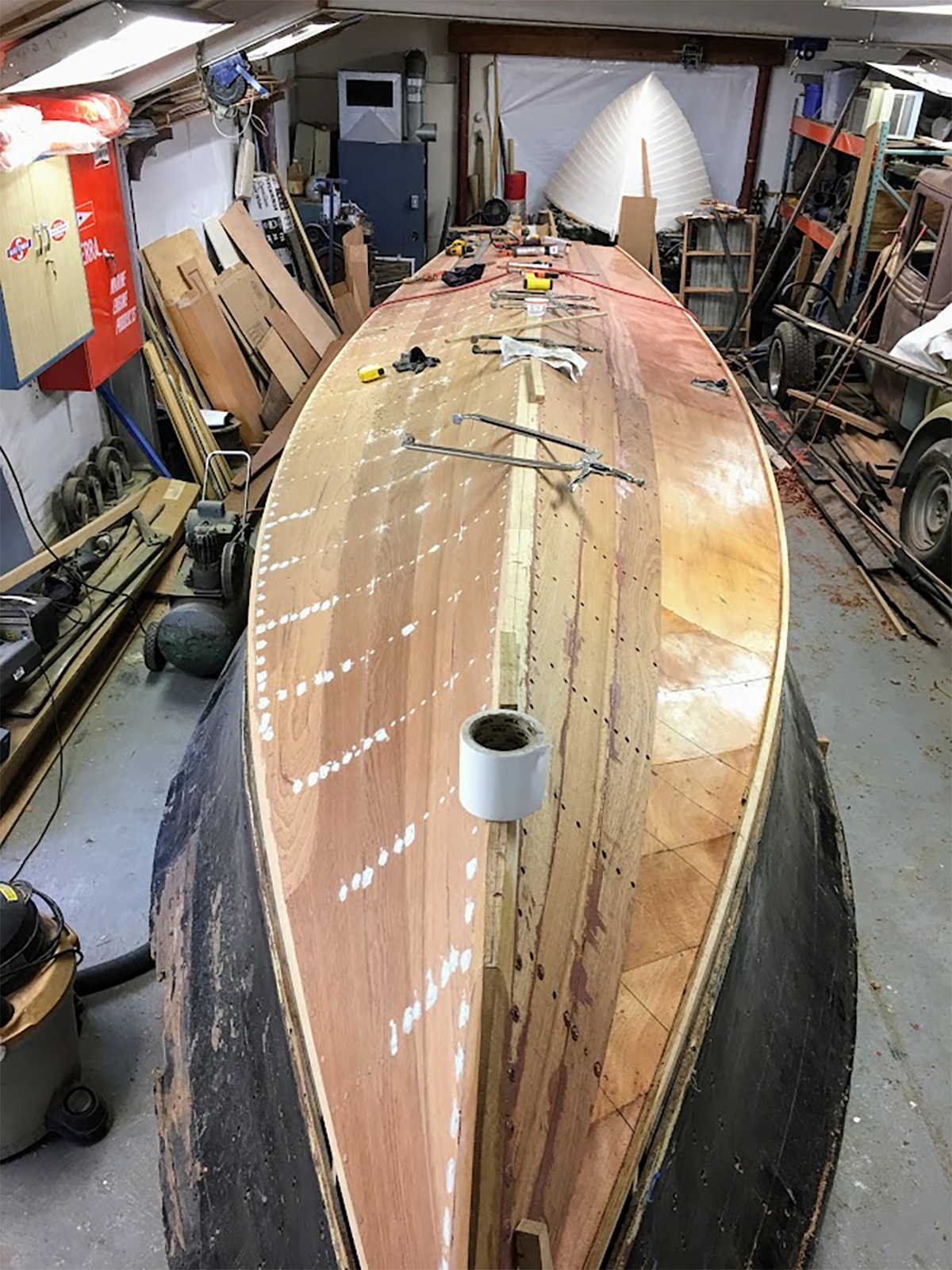 A new 5200 bottom — built for another lifetime on the water
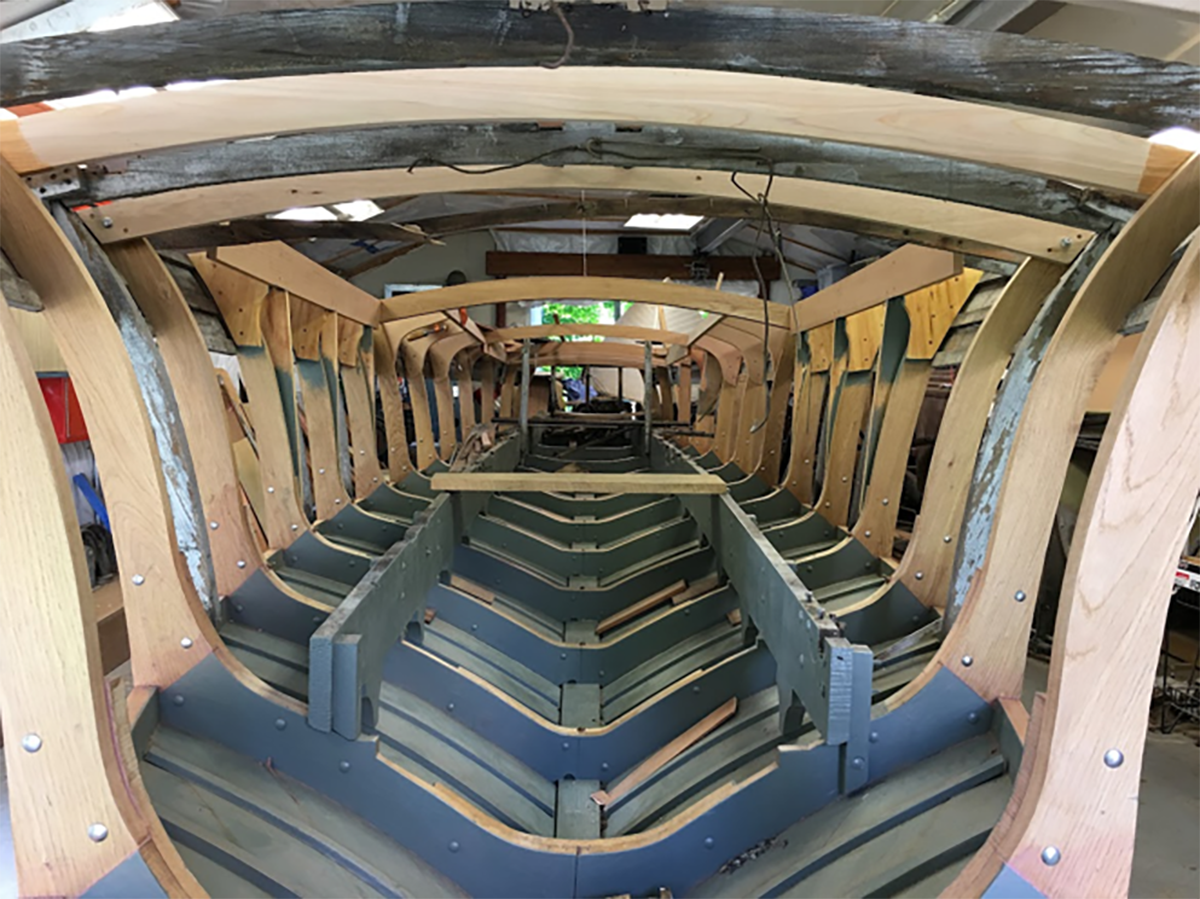 All new framing but retained the original spruce stringers
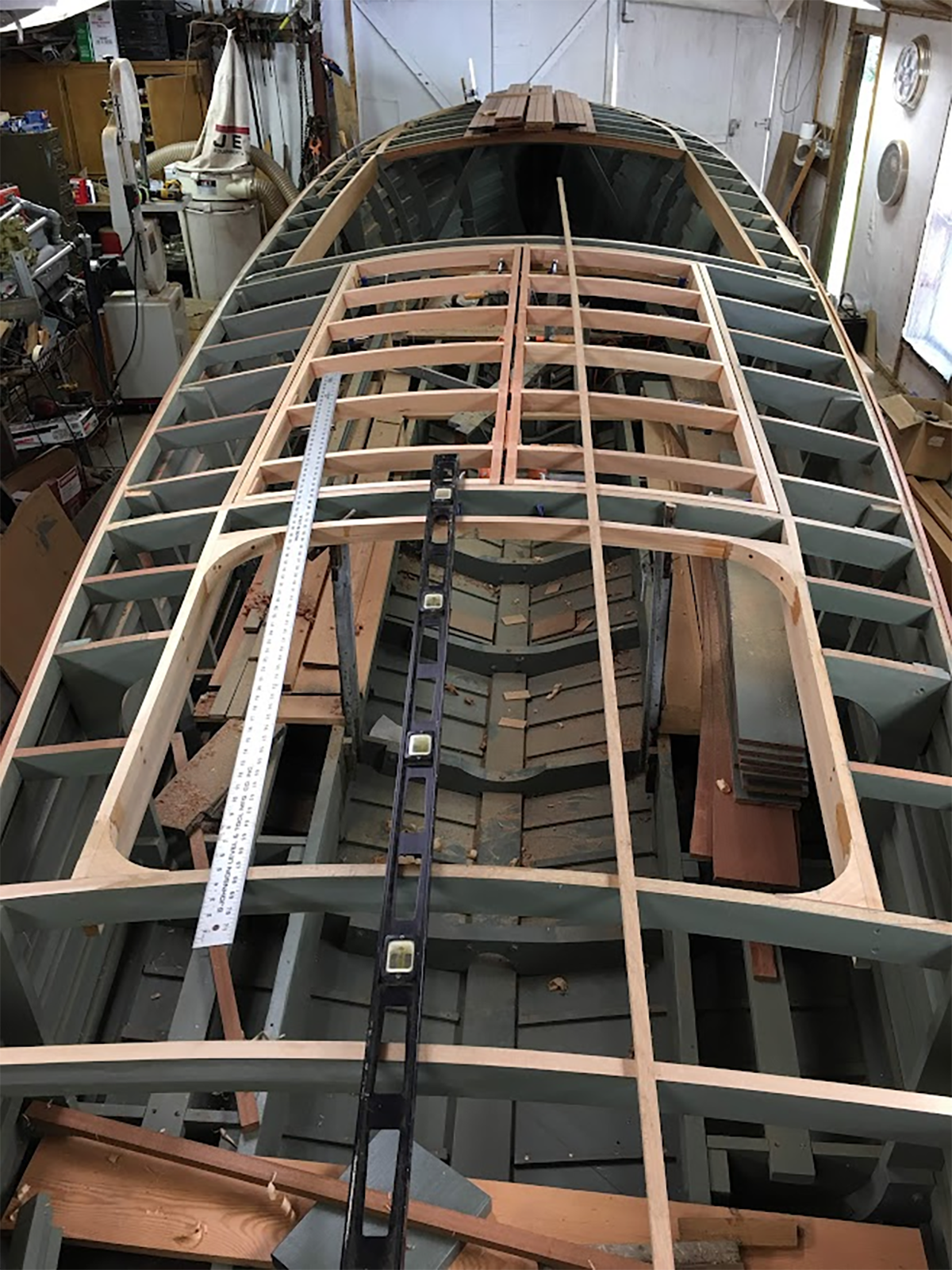 Just how the Gar Wood factory did it
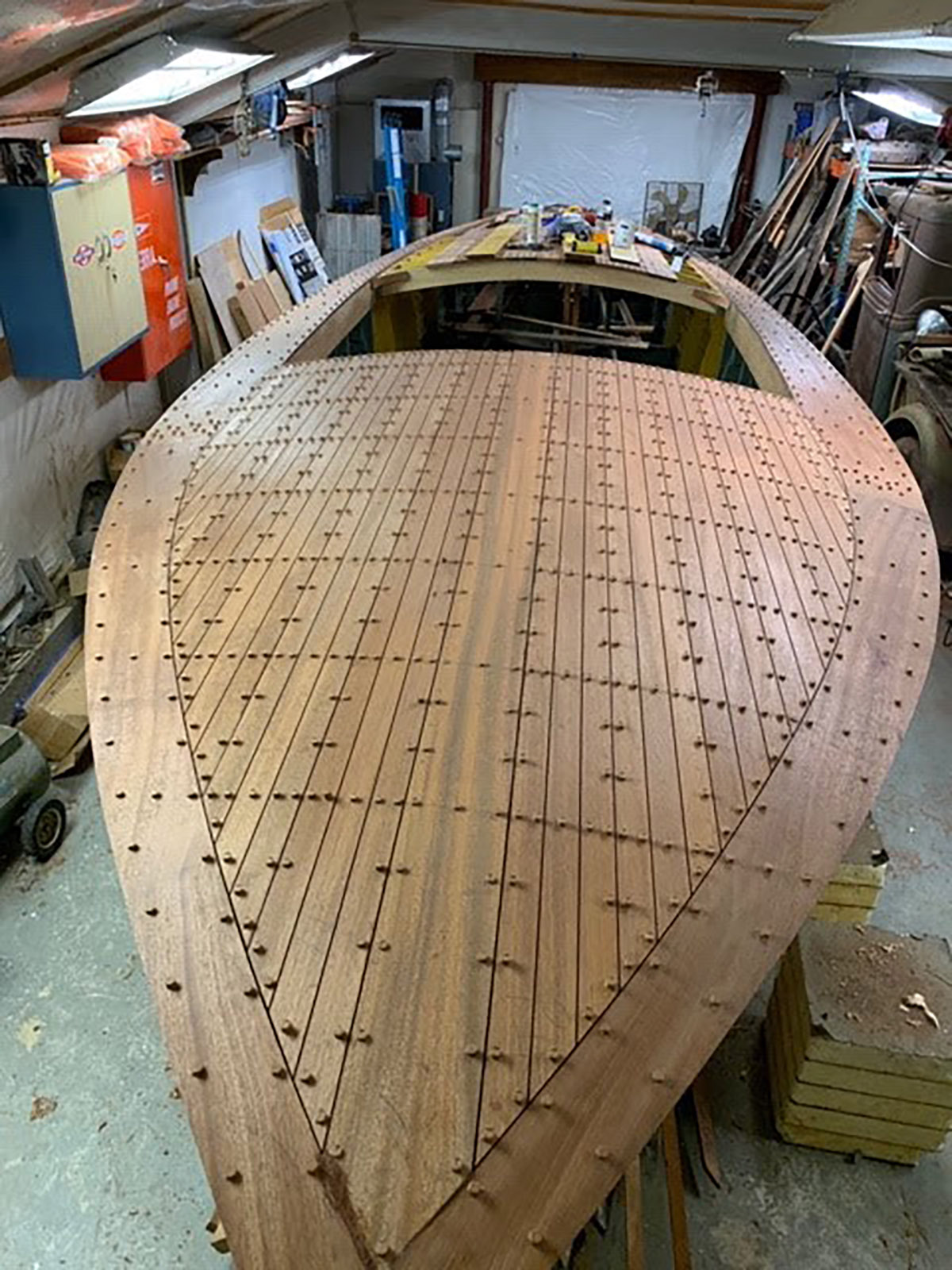 One large mahogany log supplied the planking, with every bung cut from the same plank.
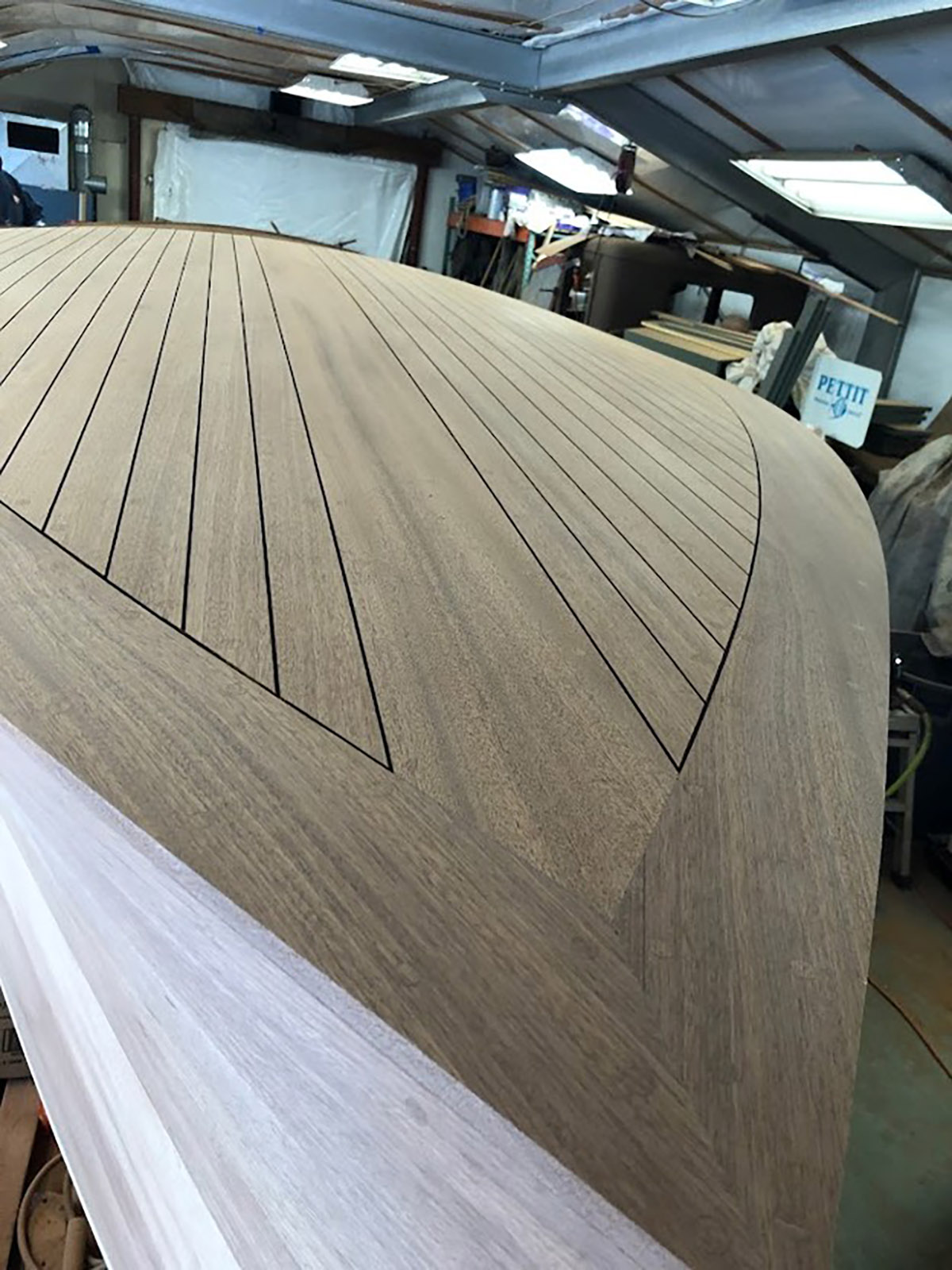 Can’t see the lines, can you, Rusty?
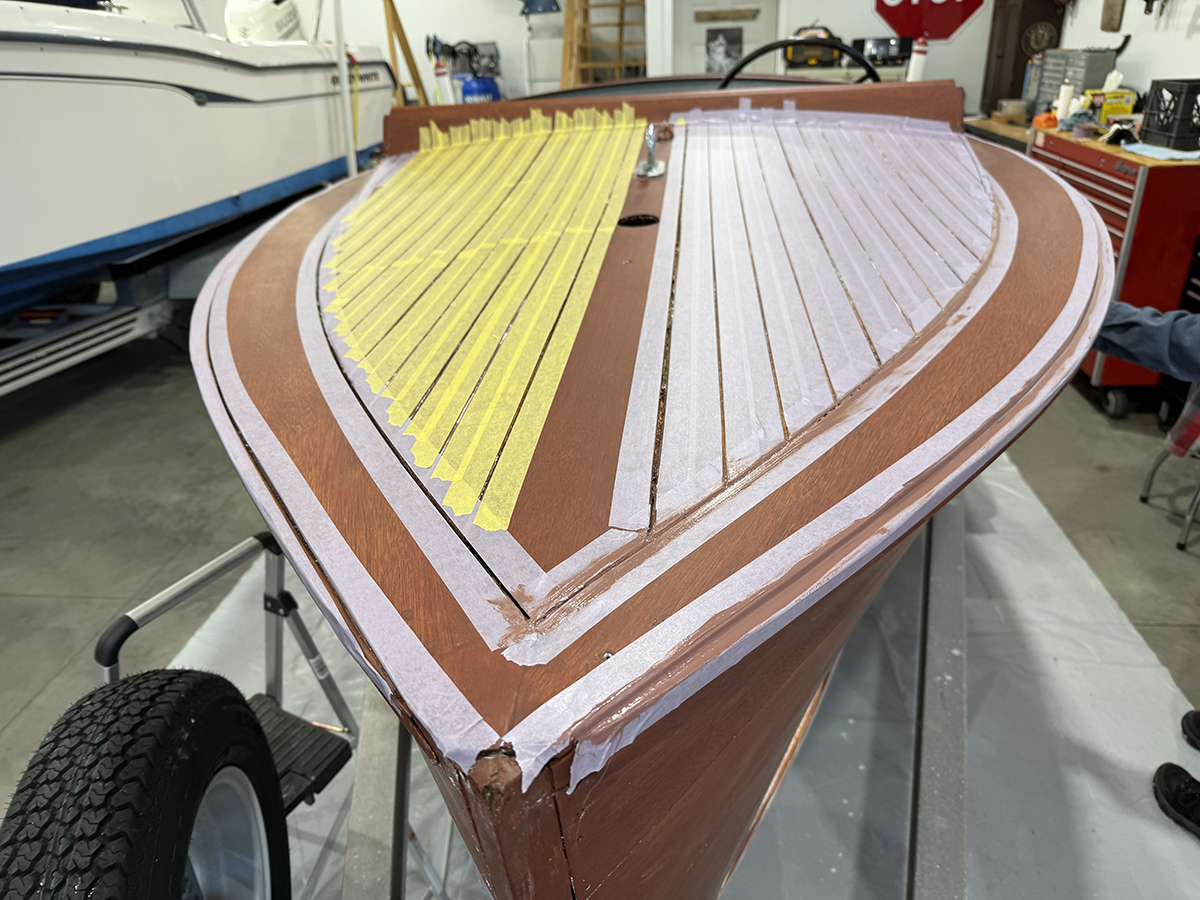
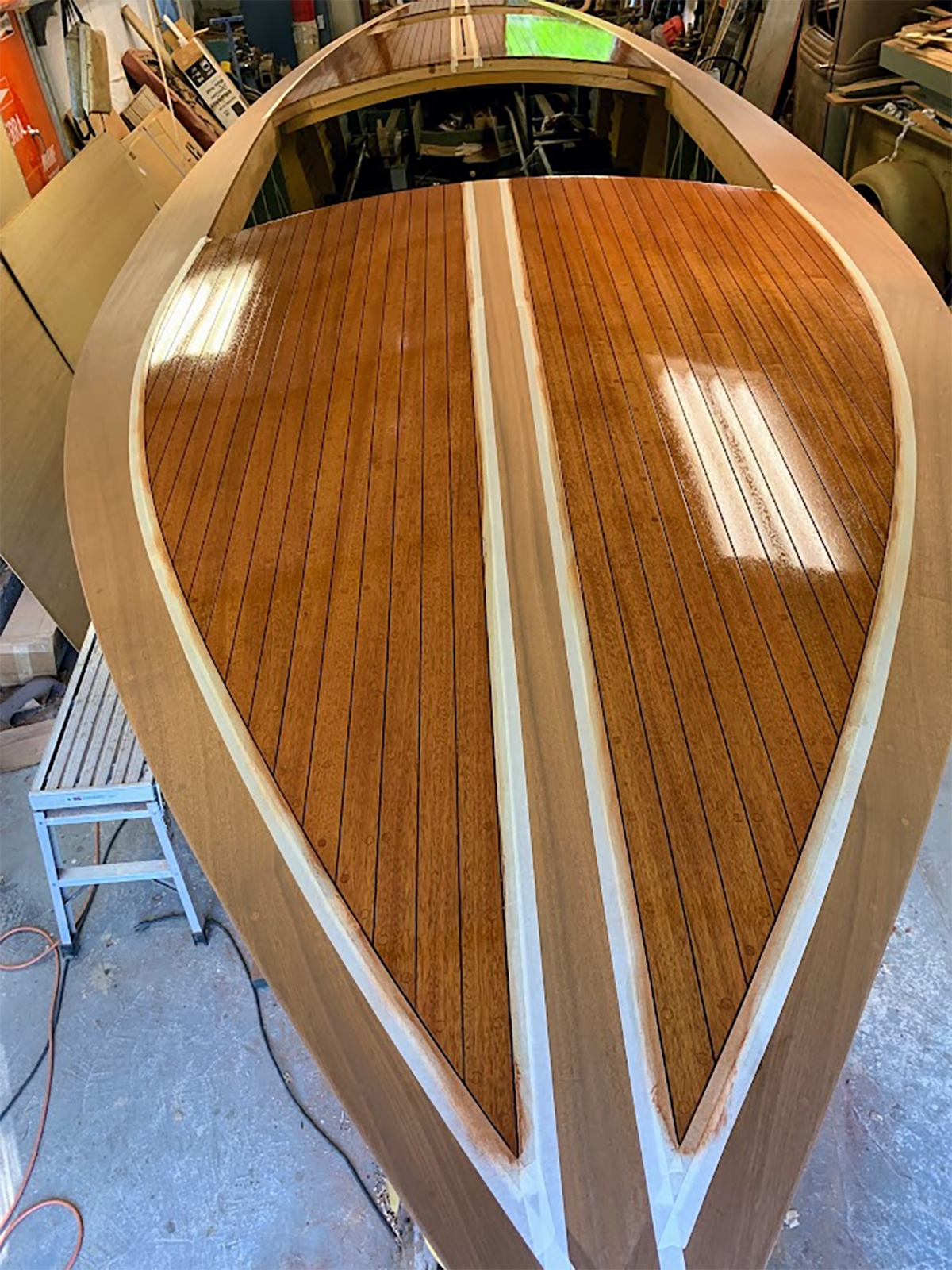 Correct Gar Wood colors
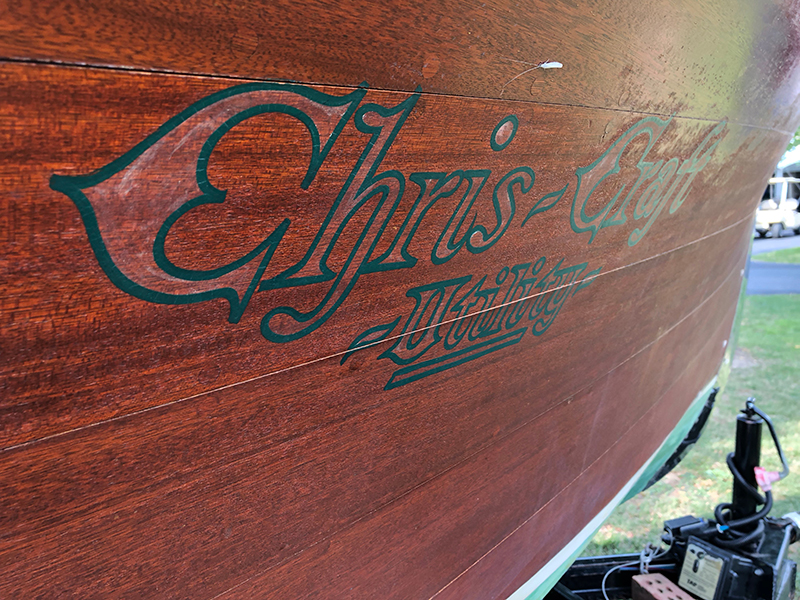
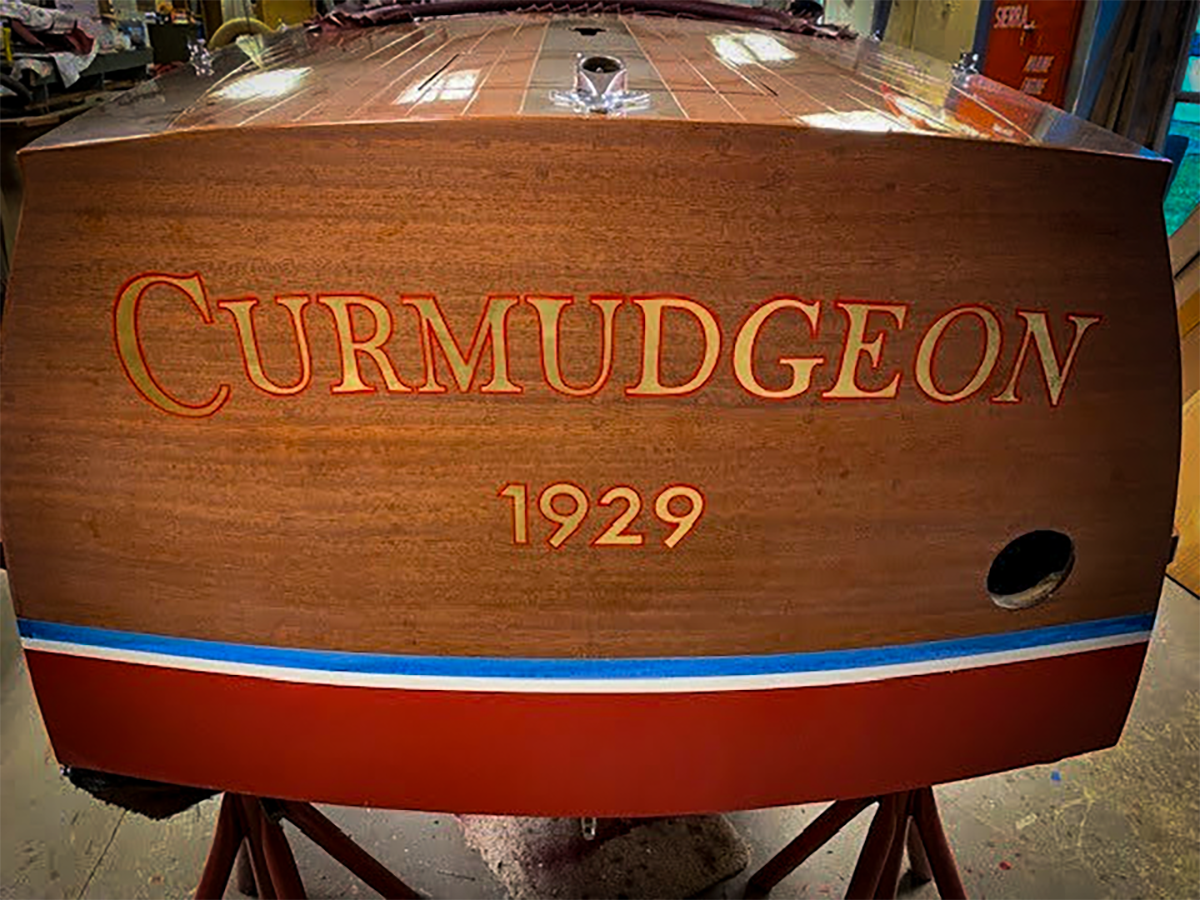 Hand-painted gold leaf
Of course, no wooden boat restoration would be complete without a few mechanical detours.
Remember, the boat was originally delivered with a Chrysler engine.
Wanting to return her to her original configuration, I managed to locate a Chrysler of the correct year.
At the time, it seemed like the obvious choice.
But anyone who’s spent time restoring nearly century-old machinery knows that finding the correct engine is only the beginning of the adventure.
As the project progressed, and some of the familiar frustrations of this hobby began to pile up, I eventually abandoned the Chrysler plan.
Then something interesting happened.
I located a 1929 Scripps 202.
And suddenly, the decision became a lot easier.
While the Chrysler would have returned the boat to her original factory configuration, the Scripps was also an important part of her history.
After all, a Scripps engine had been responsible for one of the more dramatic chapters of her life.
There was something fitting about bringing her back with another Scripps, this time one built in the same year as the boat.
So the Scripps 202 found its way into the engine compartment.
Hopefully, this one will keep its enthusiasm confined to the cylinders.
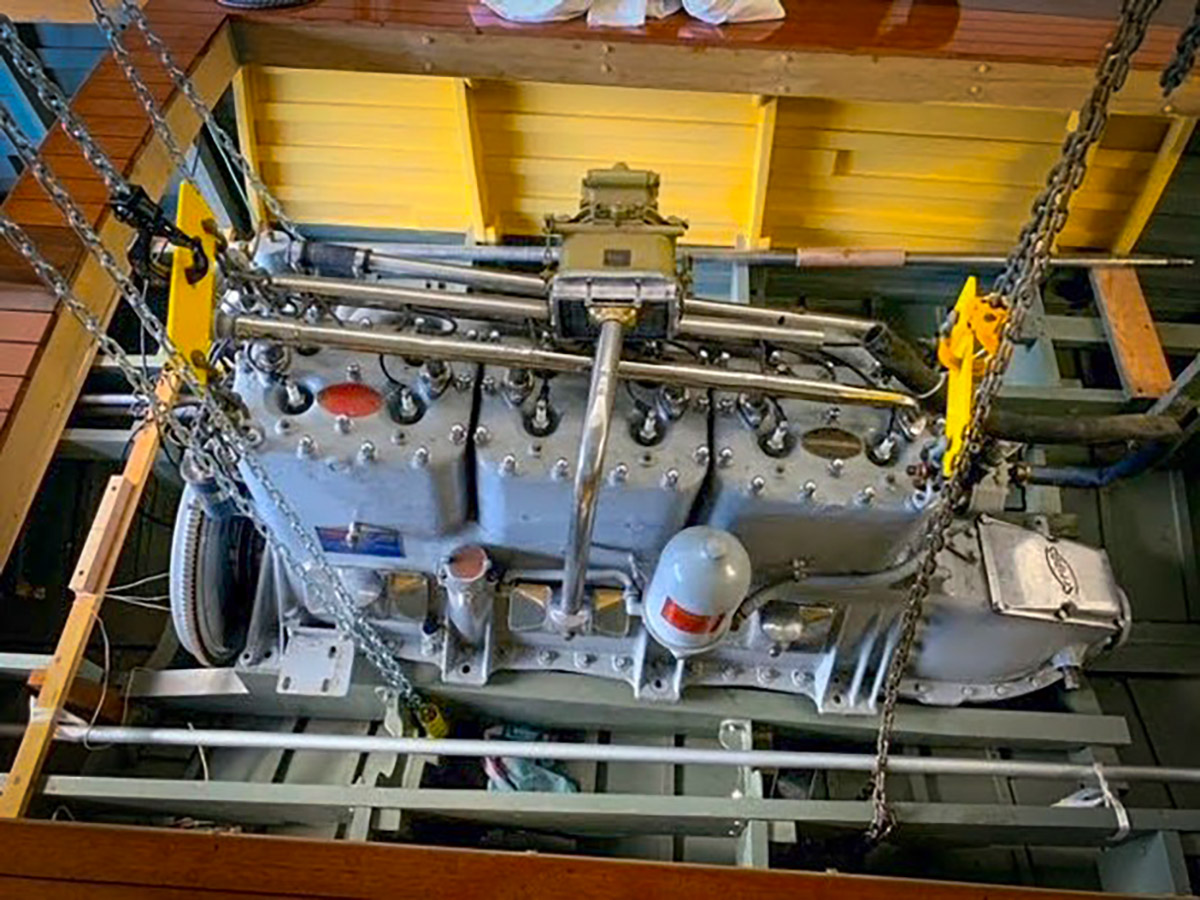
Rebuilt 1929 Scripps 202, installed with new babbitt bearings and internals
Over the past 15 years, I’ve had the privilege of being part of this Gar Wood’s resurrection.
What began as the discovery of an extraordinary old hull in Minnesota became a much bigger journey than I originally imagined.
Along the way, I’ve learned a great deal about the boat, about the craftsmen who built these magnificent machines, and about the people who dedicate their lives to preserving them.
I’ve also learned that there’s a big difference between having the ambition to restore a 28-foot Gar Wood and having the time, talent, and patience to do it properly.
Fortunately, Mike had the talent and patience.
I supplied the ambition.
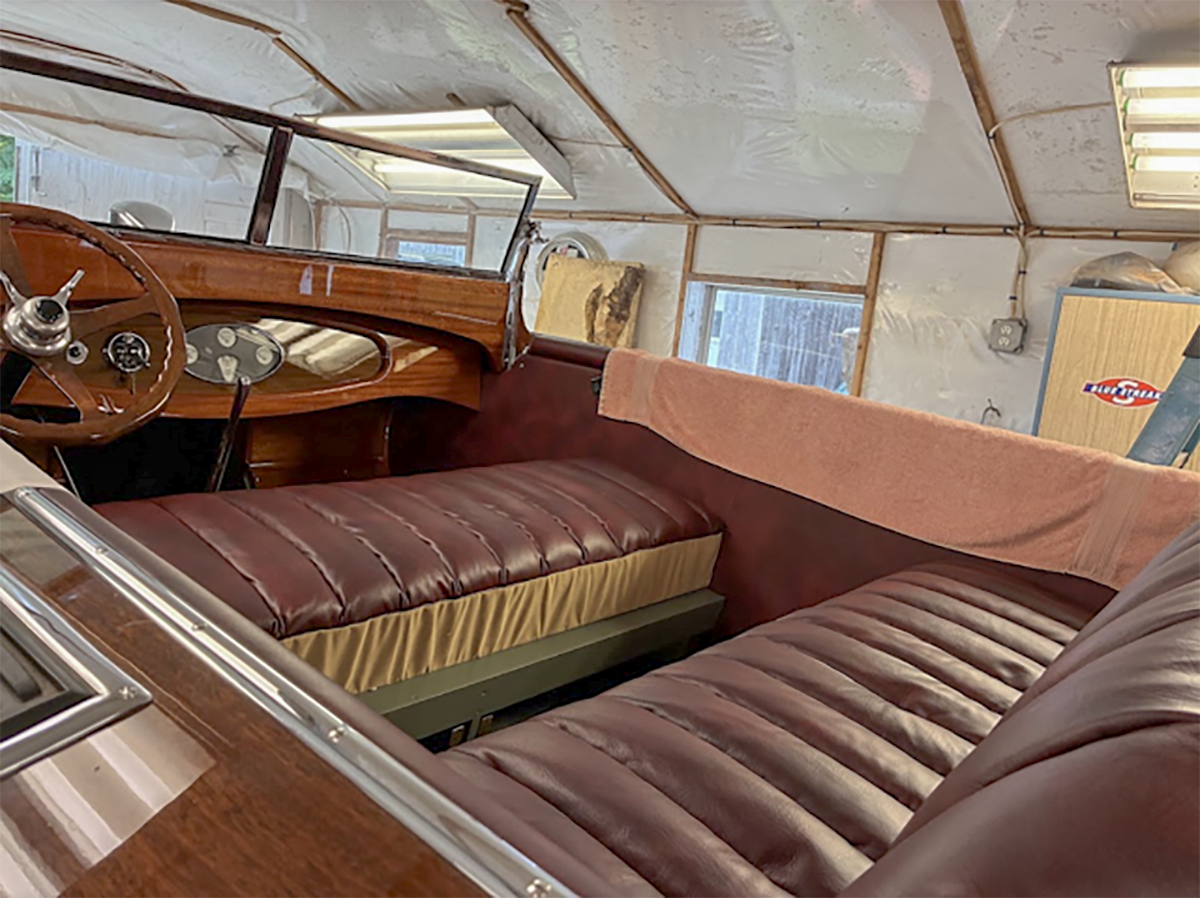 Period-correct gauges and leather upholstery for a Scripps-equipped boat
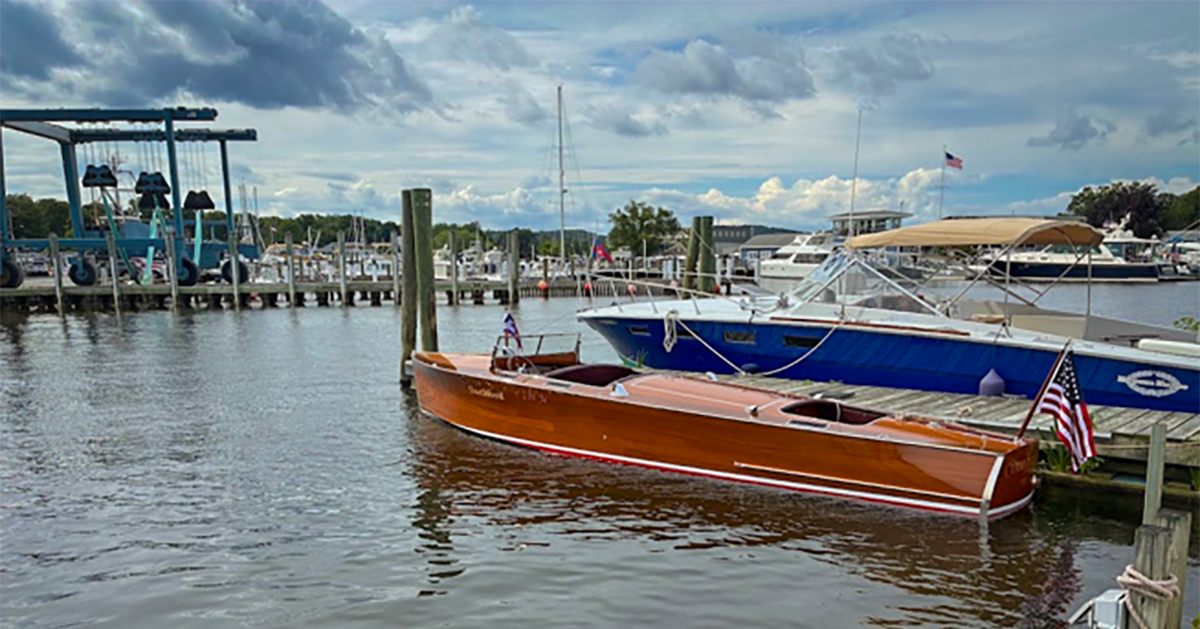
Today, the boat has returned to the elegant mahogany runabout she was meant to be.
It’s hard to look at her now and imagine that this same hull once spent its days working as a fishing boat with a kicker motor hanging off the back.
But that’s what makes her special.
She’s not simply another beautifully restored Gar Wood.
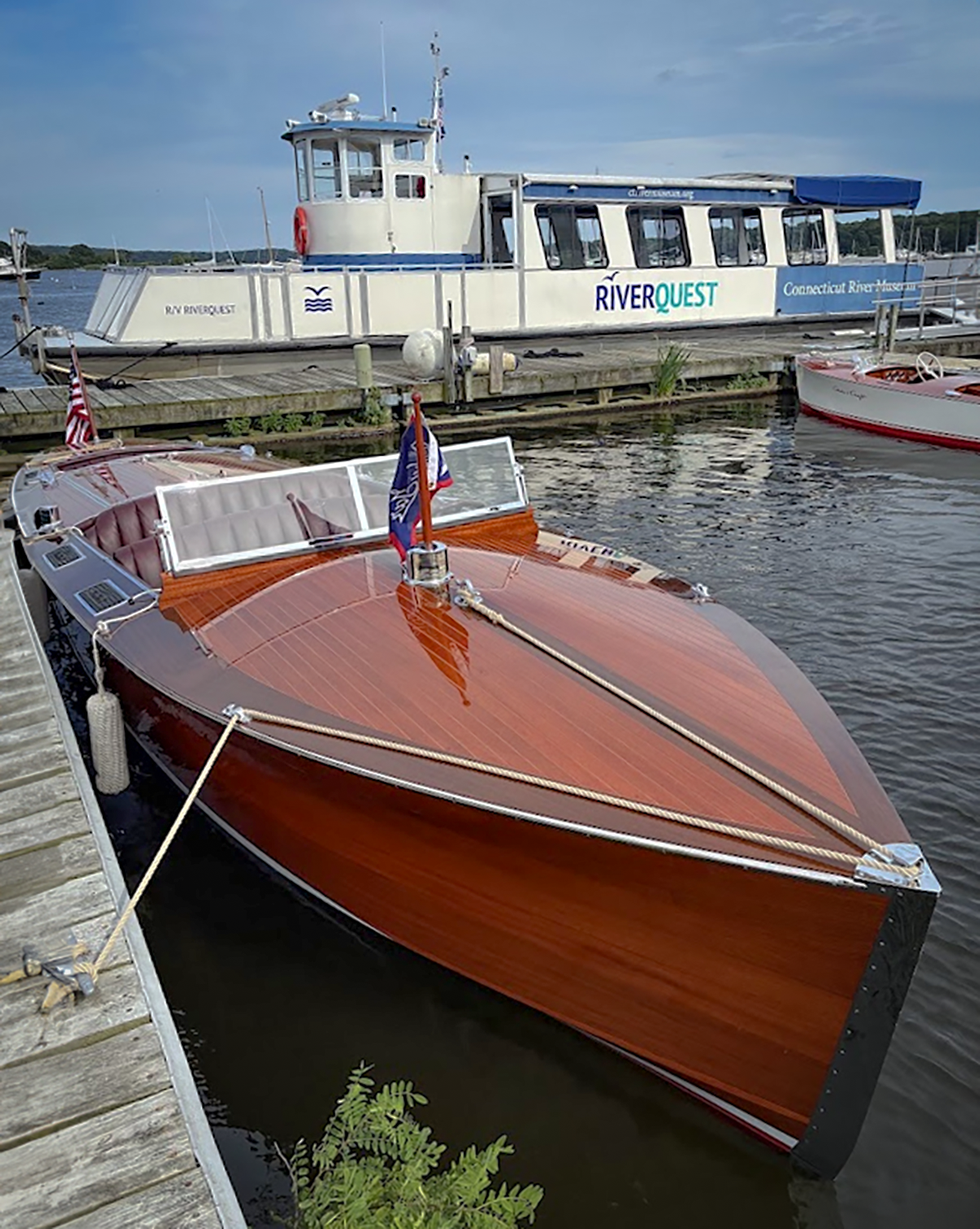
She’s a survivor.
Southern New England Chapter Boat Show in Essex, CT July 2026
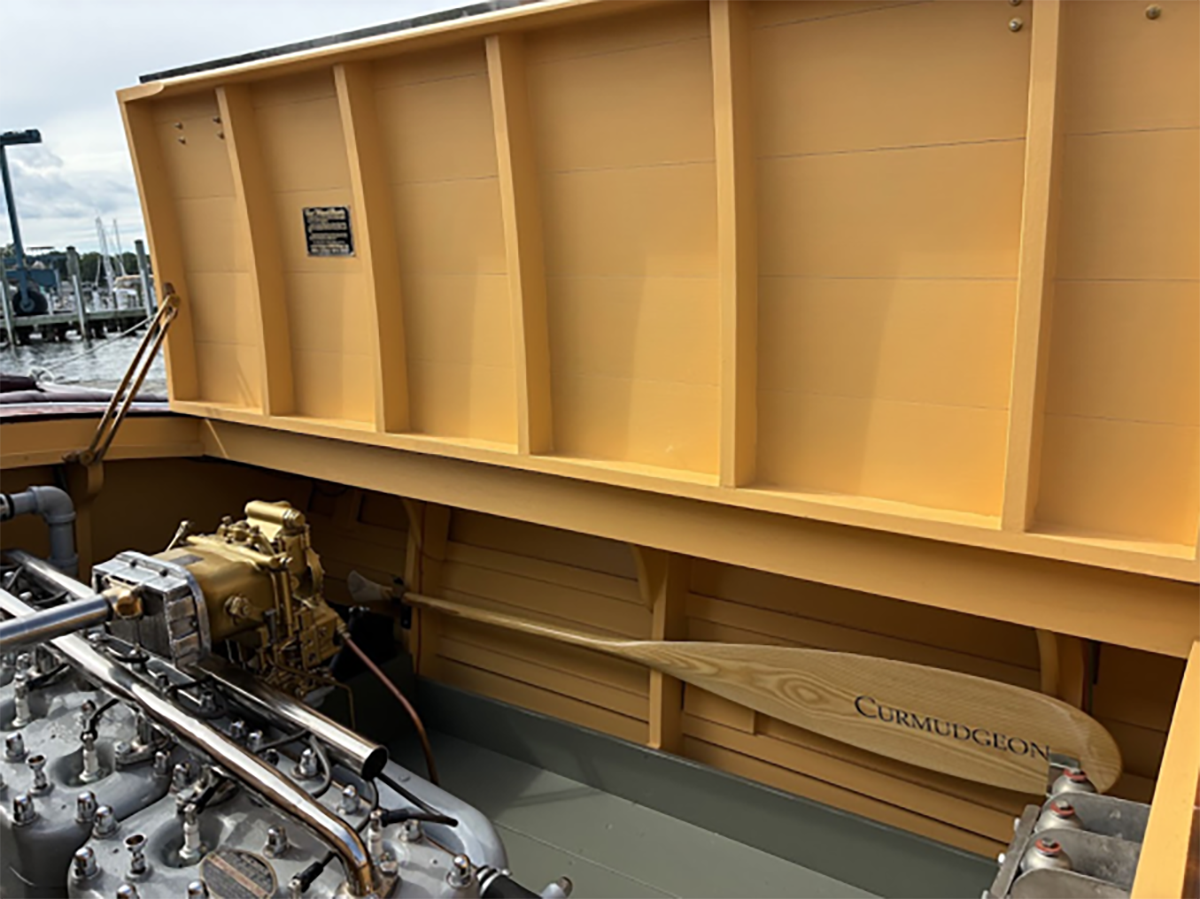 One of my favorite features is the Autopulse triple fuel pumps in the lower right
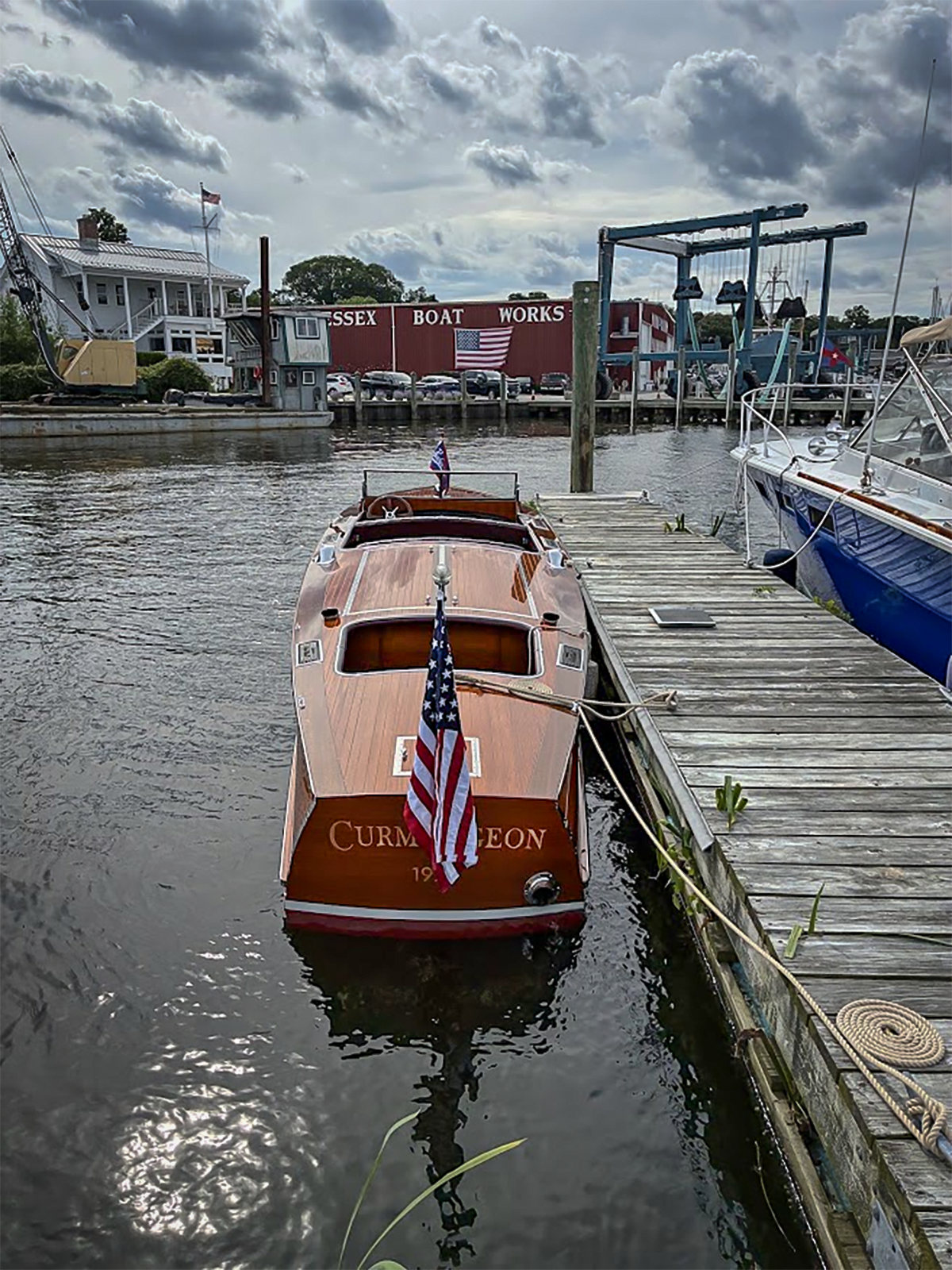 Unmistakably Gar Wood
One of the things I love most about old wooden boats is that every one of them has a story.
Some are well documented, with carefully preserved photographs, original paperwork, and ownership records going back to the day they left the factory.
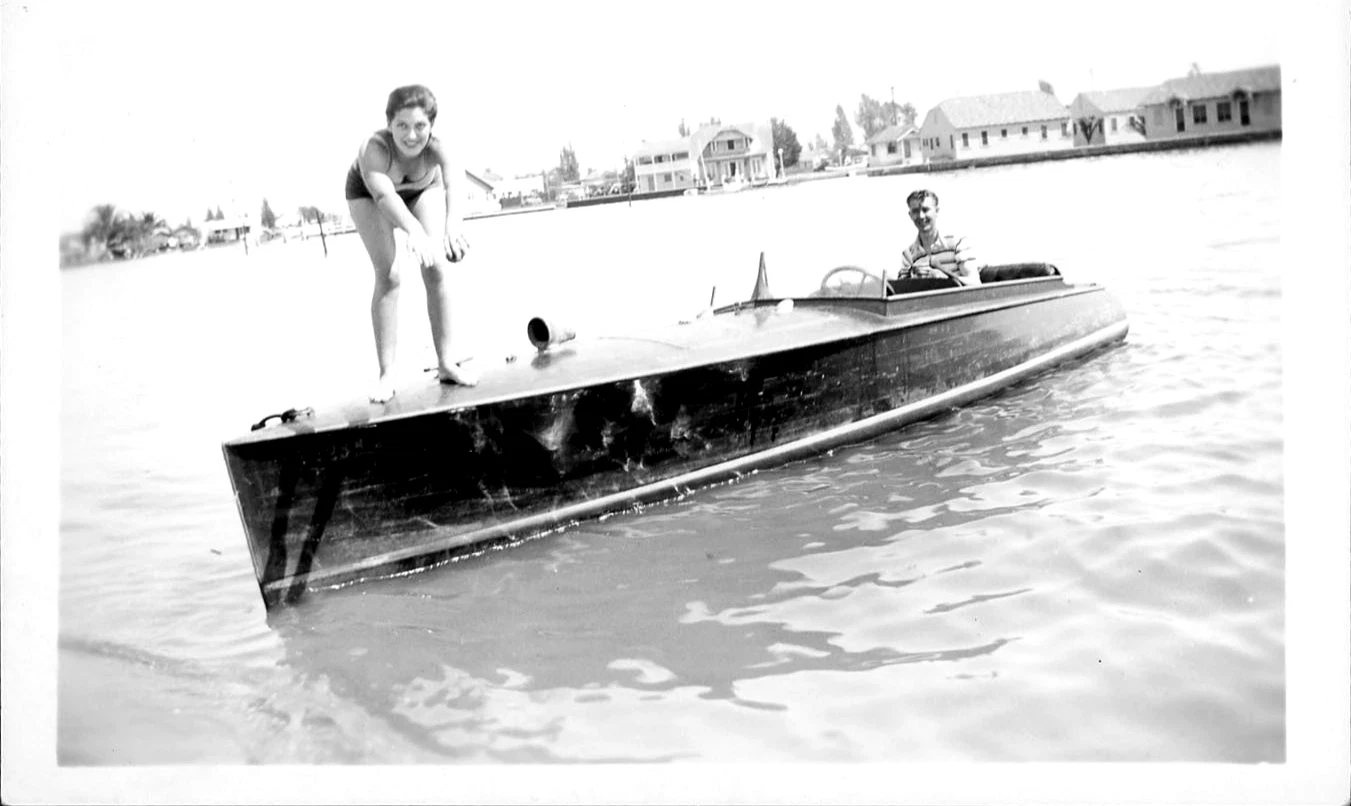
Others have stories pieced together through old photographs, conversations, and the memories of people who crossed their paths.
My Gar Wood falls into the latter category.
I often wonder about the people who enjoyed her during those early days at the Oshkosh Yacht Club. What possessed someone to replace her original Chrysler with a Scripps? What went through the owner’s mind when the fire broke out? And who was the resourceful individual who decided that a burned-out Gar Wood would make a perfectly good fishing boat?
I’d particularly love to know what became of all those other wooden treasures hidden away in barns across Wisconsin and Minnesota.
Because if there’s one thing this experience has taught me, it’s that there are still remarkable boats waiting to be discovered.
Sometimes in the most unlikely places.
And here’s one more interesting twist to the story.
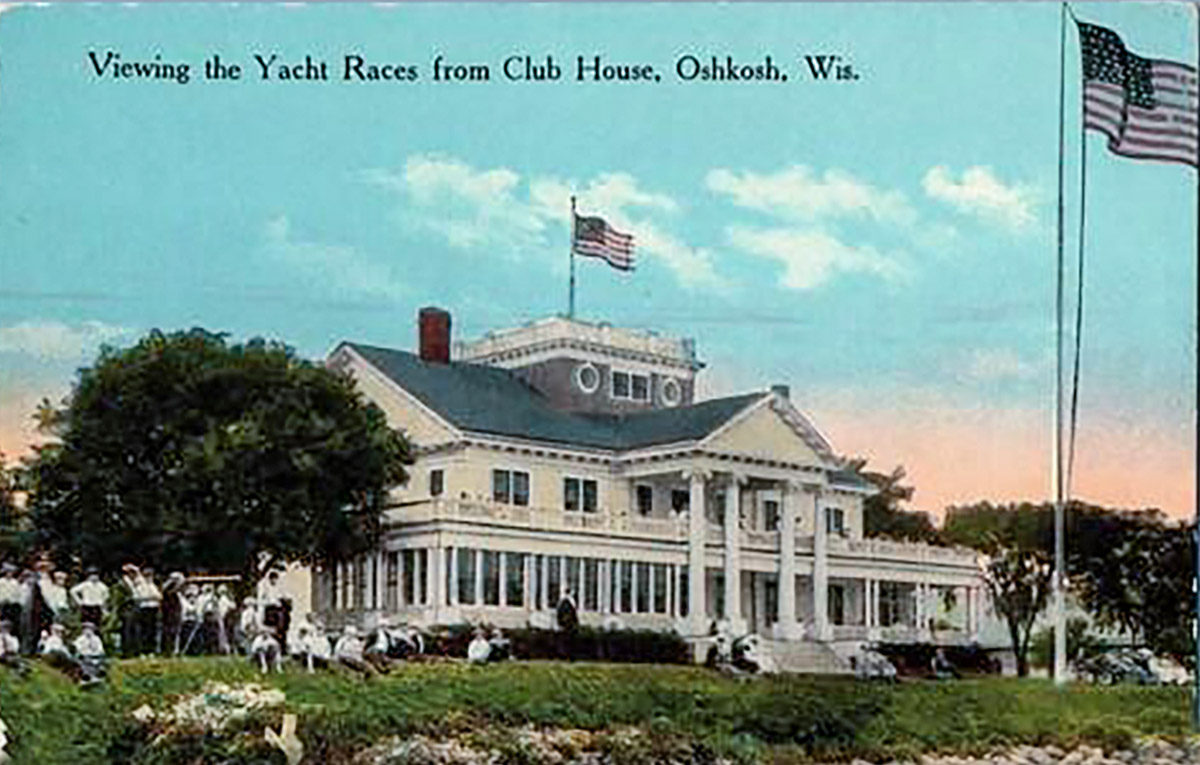
Oshkosh Yacht Club
The Oshkosh Yacht Club is still around, and in doing a little digging, I discovered that the grandson of the boat’s original owner is listed as the club’s Commodore. Nearly a century later, the family connection to the very place where this Gar Wood began her life apparently lives on.
I haven’t been able to connect with him, but I’d love to know whether he remembers hearing stories about the boat or perhaps has some old family photographs tucked away.
So here’s a request to the Woody Boater family: If anyone knows the Commodore of the Oshkosh Yacht Club, please pass this story along. I’d love to connect with him and perhaps fill in a few more missing chapters of this remarkable boat’s history.
After 97 years, wouldn’t it be something if this old Gar Wood could reconnect with the family that first brought her home?
At 97 years old, she’s certainly earned a peaceful retirement. But after surviving a fire, a career change, and nearly a century of adventures, I suspect she still has a few surprises left.
And frankly, I wouldn’t have it any other way.
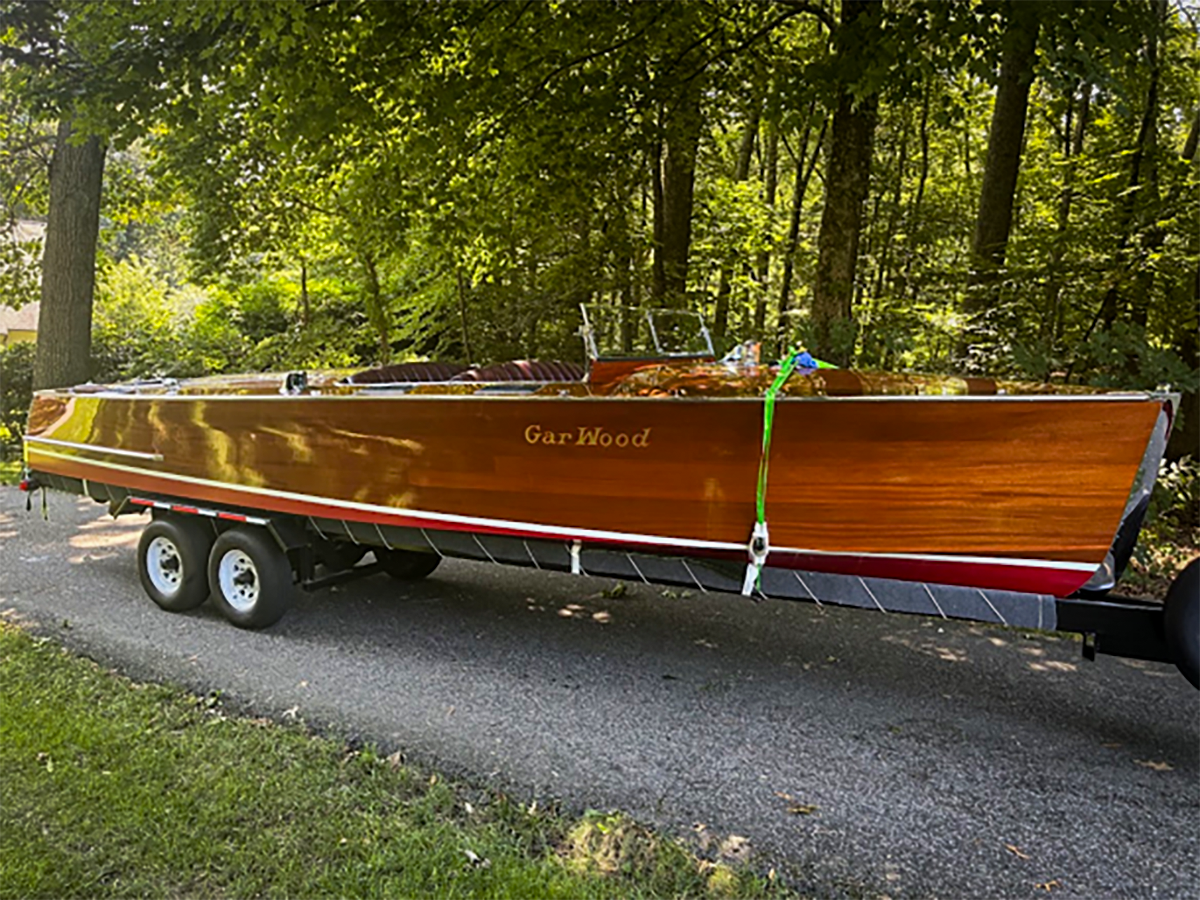
Back home — a long way from the fishing days
Chris Enger (aka cenger)

Nice going Chris!!
Is there any reason that you can’t just reach out to the Oshkosh Yacht Club and get the grandson to respond to you?
Thank you Chris and Matt for one of the best and most interesting boat stories ever. What a life and what a resurrection that Gar Wood has had. Chris has made a tremendous donation to our passion and I congratulate him.
Even though some of the photos are painful to look at, the completed project is gorgeous . Now run and use her with pride!
,
WOW! Best story yet.